
Typhoid Diet: Get Typhoid Diet Chart, Know The Foods to Eat & Avoid for Fast Recovery

Typhoid fever is quite common in India. It is caused by the bacterium S. Typhi, which reaches your small intestine through contaminated water or food. There, it creates an infection that leads to symptoms like high fever, stomach pain, headache, and digestive issues.
The proper treatment for this is antibiotics, but alongside paying attention to diet is also crucial. Eating the right food not only soothes symptoms but also aids in recovery.
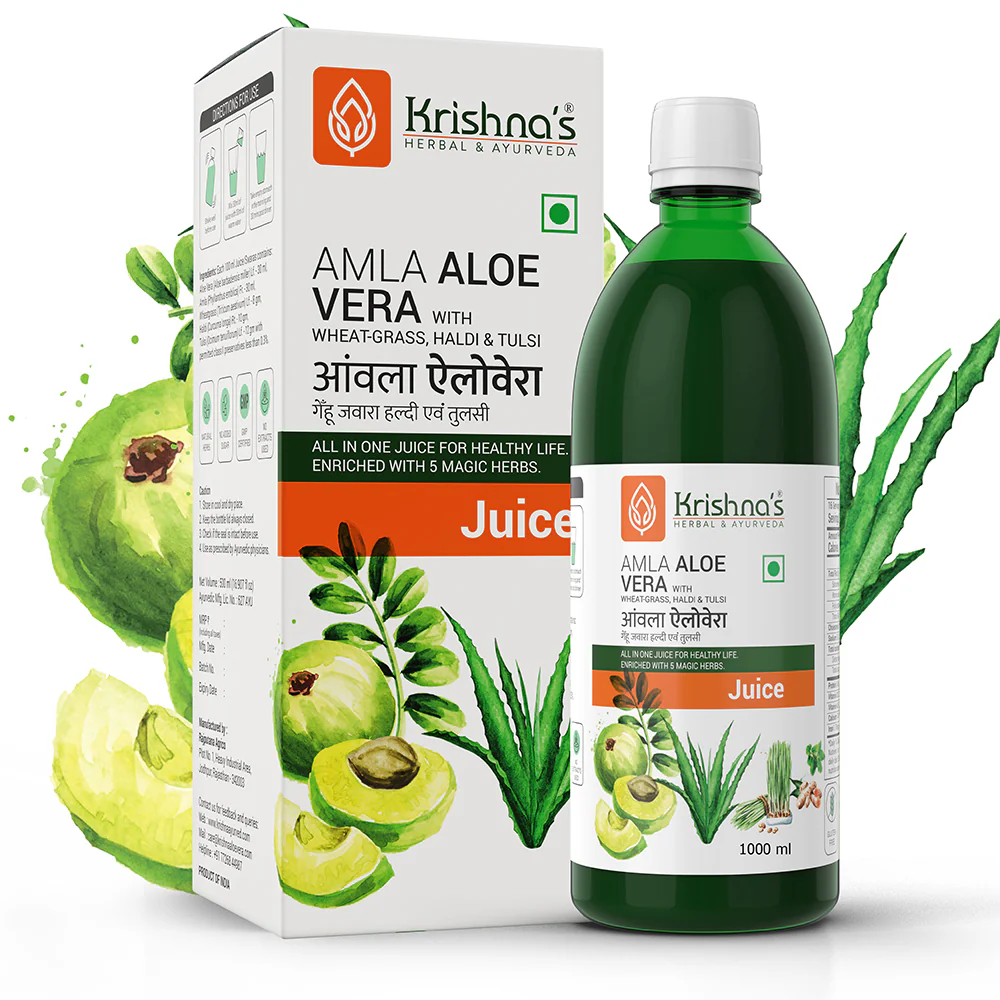
During such times, some people also take natural support like Krishna’s Amla Aloe Vera Wheatgrass Turmeric Tulsi Juice, which helps boost immunity and soothe digestion.
Let’s now see what to eat, what not to eat during typhoid, and share a simple diet chart that will help in recovery.
Why Diet Matters in Typhoid Recovery?
During typhoid, your body becomes quite weak. Because of high fever, fatigue, and stomach infection, you don’t feel hungry and can’t digest much either. At such times, eating the right food becomes an important part of recovery.
First, it’s important to understand that the typhoid bacteria directly affect your digestive system. The small intestine becomes inflamed, which slows down digestion. If you eat heavy, oily, or spicy food, your gut gets even more irritated and that directly impacts your recovery time.
That’s why doctors always suggest that during typhoid:
- Eat light, bland, and soft food
- Choose things that are easy to digest but still give you energy
- Avoid foods that are high in fibre, fat, or sugar
With the right diet:
- Your body gets stronger, especially while you’re on antibiotics
- Dehydration is kept in check (which often happens due to fever and loose motions)
- Your gut gets to rest and slowly returns to normal
- Fever and inflammation symptoms gradually reduce
One more thing, when you take proper nutrition, your body is better equipped to fight the infection. Antibiotics also work more effectively, and the risk of complications goes down significantly.
So, in simple words, eating the wrong food slows down recovery, while eating the right food speeds it up. That’s how much of a difference diet makes during typhoid.
How to Follow the Typhoid Diet Properly
During typhoid fever, it’s not enough for food to just be nutritious; it also needs to be easily digestible. Your digestive system is quite sensitive at this time, and eating the wrong food can worsen the symptoms.
First of all, high-fiber foods like raw fruits, salads, whole grains, nuts, seeds, and sprouts should be avoided. These are healthy in general, but during this stage, they overload the stomach and can increase gas, bloating, or loose motions.
Instead, it’s better to have well-cooked meals, like pressure-cooked dal, mashed vegetables, refined rice, or soft daliya. If you feel like having fruits, you can try boiled apples or seedless, canned fruits. Instead of whole wheat, it’s more suitable for a while to use refined grains like suji or white rice.
Fatty, deep-fried, or spicy foods should also be avoided, as they put unnecessary burden on your gut.
Another important point, pay special attention to water. Only use boiled or bottled water. Even ice should be taken only if you’re sure it’s made from safe water. Contaminated water is the main reason behind typhoid, so cleanliness is the biggest priority.
Prepare your food at home. Completely avoid outside food, especially street food or unpasteurized dairy products. Also, washing hands and thoroughly cleaning fruits and vegetables before cooking is part of basic food hygiene.
The cleaner and simpler the diet is, the faster the recovery.
What to Eat During Typhoid?
During typhoid, your stomach takes the maximum load, so it’s important to follow a diet that’s light, easy to digest, and still gives you enough energy.
1. Fruits That Boost Hydration
Dehydration is common during typhoid, so water-rich fruits like watermelon, muskmelon, papaya, banana, apple, and chikoo (sapota) are very helpful. These fruits soothe the stomach and give a bit of natural energy too.
Tip: Always wash and peel the fruits before eating to avoid any extra bacteria.
2. Simple Soups
When you don’t feel like eating much, soups are the best option. You can go for tomato, veggie, or clear soup, just avoid cornflour and spicy masalas. Soup not only soothes the stomach but also helps bring back your appetite.
3. Boiled Vegetables
Raw vegetables are hard to digest. So go for boiled veggies like carrots, bottle gourd (lauki), round gourd (tinda), beetroot, and pumpkin, without any spices. Add a bit of lemon and a pinch of black salt for taste.
4. Protein
During typhoid, your body becomes very weak, and if you don’t consume protein, muscle loss can occur. That’s why it’s important to take small amounts of protein daily, but without overdoing it.
At this time, light and easy-to-digest proteins work best, such as:
- Moong dal (well-cooked)
- Soft paneer (without gravy)
- Tofu (boiled or lightly sautéed)
If you ever feel nausea or bloating after having protein, take a break for a day or two. Once you feel better, restart with small portions, preferably along with lunch or dinner.
5. Low-Fat Dairy
Curd, buttermilk, and pasteurised milk can be quite helpful during typhoid, but only if the patient can tolerate them.
These dairy items:
- Soothe the gut
- Provide good bacteria
- Are a source of both calcium and hydration
Just remember, avoid full-fat milk, cream, butter, or cheese. These put an extra load on your stomach.
6. Juices & Herbal Support
Loose motions and vomiting during typhoid make your body very weak. So it’s important to stay hydrated. Natural juices like:
- Coconut water
- Pomegranate juice
- Orange/Sweet lime juice
- Watermelon or apple juice
All these provide fluids along with essential vitamins. But always make sure the juice is fresh and has no added sugar.
Blends like Krishna’s Amla Aloe Vera Wheatgrass Haldi Tulsi Juice, Karela Jamun Mix Juice are also helpful in typhoid recovery. These are enriched with Vitamin C – Vitamin A. They also help soothe digestion, support immunity, and help flush out harmful bacteria.
7. Don’t Forget ORS (Oral Rehydration Salt)
Typhoid isn’t just about fever; it also disturbs your body’s salt and fluid balance. Especially when there’s vomiting or loose motions, electrolytes drain quickly.
That’s why it’s essential to take ORS every 2–3 hours.
What to Avoid During Typhoid?
Just as eating the right food is important, avoiding the wrong food is even more crucial. These foods stress the stomach and can slow down your recovery:
Too Spicy or Fried Foods: Pakoras, samosas, pickles, chutneys, all are heavy and slow down digestion.
Raw Vegetables: Broccoli, cabbage, onion, cauliflower, avoid them raw. Only eat them boiled.
High-Fiber Foods: Multigrain flour, whole grain rice, sprouts, pulses, take a break from these for now.
Street Food: Juice stalls, pani puri, and roadside sandwiches all increase infection risk.
Full-Fat Dairy & Heavy Items: Milkshakes, butter, cream, skip them for now.
Typhoid Diet Chart For Recovery
| Day | Breakfast | Mid-Morning Snack | Lunch | Evening Snack | Dinner | Bedtime |
| Monday | Suji upma (plain) + herbal tea | Mashed banana | Moong dal + soft white rice + boiled lauki | Coconut water | Khichdi + boiled potato | Haldi milk |
| Tuesday | Moong dal chilla (no masala) + curd (if tolerated) | Stewed apple | Daliya + plain moong dal + boiled tori | Saunf water + 2 Marie biscuits | Soft khichdi + bottle gourd soup | Warm milk |
| Wednesday | Poha (no onion) + jeera water | Muskmelon slices (if digestion ok) | Moong dal + plain rice + steamed carrot | Coconut water | Daliya khichdi + beetroot soup | Haldi milk |
| Thursday | Soft idli + coconut chutney (very mild) | Small banana | Mashed rice + moong dal + boiled tinda | Herbal tea + rusk | Moong dal soup + soft roti (if tolerated) | Warm jeera water |
| Friday | Rice flakes porridge (chiwda) | Apple sauce | Moong dal + soft rice + mashed bottle gourd | Jeera water + crackers | Khichdi + carrot-beans sabzi (boiled only) | Haldi milk |
| Saturday | Suji halwa (light ghee, no dry fruits) + milk | Papaya pieces | Daliya + lauki sabzi + light curd (optional) | Coconut water | Plain khichdi + simple vegetable soup | Chamomile tea |
| Sunday | Moong dal pancake + green chutney (very light) | Boiled pear pieces | Mashed rice + yellow moong dal + steamed parwal | Jeera water + light toast | Soft roti + pumpkin (kaddu) sabzi (no spice) | Warm milk |
Typhoid is treated with antibiotics, but the right diet can make your recovery faster and smoother. If you consistently include easily digestible, hydrating, and nutrient-rich foods in your routine, your body heals more quickly.
Diet is not a cure, but it’s definitely a strong support for recovery.
Recent Articles






Related products

YOU MIGHT ALSO LIKE