

Do you ever find yourself feeling bloated, gassy or uncomfortable after meals? These could be signs of gastritis, a term used for a group of conditions that involve one key issue: inflammation or irritation of the stomach lining.
Gastritis can seriously mess with your day. Not just because it causes stomach pain, but also because of how it crimps your lifestyle, making you anxious about eating out, skipping meals, or constantly worrying when it might happen next.
The common causes of this condition are stomach infection, excessive use of alcohol and certain medications like painkillers, etc. But Ayurveda links it to an imbalance in Pitta dosha, the energy that controls heat, digestion, and metabolism.
It’s time to understand what’s really causing this discomfort and how the right Ayurvedic medicine for gastritis, like Krishna’s Digestive Care Juice, other Ayurvedic remedies for gastritis and a few changes in your routine can help bring your gut back into balance.
What Ayurveda Says About Gastritis
In Ayurveda, your gut is everything. It’s where health begins and where imbalance shows up first. Gastritis, or what’s commonly referred to as ‘Amlapitta’ in Ayurvedic texts, is seen as a clear sign that your Pitta is aggravated. That means your inner fire, the one responsible for digestion, is burning too hot.
Amlapitta is one of the most common health problems in the present era. Because in the current society, people indulge in incompatible food habits (too spicy, oily and processed foods) and activities like irregular eating times, sleeping patterns, etc.
All of this adds fuel to the fire. Which is the fire in your gut, called Agni.
When Agni becomes unstable, it begins to damage the stomach lining rather than aiding digestion. That’s when symptoms like Avipaka (indigestion), Tikta-Amlodgara (sour and bitter belching), Utklesha (Nausea), Urodaha (Burning in the chest), and Aruchi (Anorexia) start showing up. It’s not just the food that’s causing trouble; it’s the state of your digestion that’s out of sync.
According to Ayurveda, there are two types of imbalances here: Tikshna Agni (overactive digestion, too much acid) and Manda Agni (slow digestion, food just sits there). In gastritis, we usually see Tikshna Agni. In this, your system is trying to digest too hard, too fast, and ends up irritating itself.
And when this keeps happening, it slowly weakens your gut lining and leads to chronic inflammation. That’s why just taking an antacid or synthetic drugs doesn’t really solve the problem. It might cool things down temporarily, but the imbalance stays and may also cause side effects.
Ayurvedic treatment for gastritis works on the root cause in order to calm Pitta, strengthen Agni, and restore the stomach lining. And it does this by combining herbs, nutrition, ayurvedic detox treatments and everyday activities that promote balance.
Ayurvedic Ways To Treat Gastritis
1. Ayurvedic Diet for Gastritis
Diet is the most important foundation in Ayurvedic healing. If your food is wrong, no herb or medicine will work.
Shifting to an anti-inflammatory diet is the first and most essential step in treating gastritis. The more spicy, fried, preserved, or processed your food is, the more your Pitta will flare up. And once Pitta is aggravated, acidity, burning sensation, and chest discomfort follow.
So, from an Ayurvedic perspective:
Foods to Avoid:
- Very spicy, oily, or deep-fried items
- Pickles, fermented foods, vinegar
- Packaged snacks like namkeen and chips
- Excess tea, coffee, alcohol
- Sour fruits like pineapple, orange, and even excess curd
- High-gluten foods like white bread, noodles, maida
These are all Pitta-provoking foods; they increase internal heat.
Foods to Include:
- Warm, light, freshly cooked meals
- Boiled rice, moong dal, soft-cooked vegetables like bottle gourd, pumpkin, ash gourd
- Coconut water, soaked raisins, and pomegranate
- Cow’s ghee in small quantities
- Herbal teas made from cumin, coriander, fennel
- Buttermilk (fresh, diluted, and not sour) with roasted jeera and mint
- Soft fruits like banana (in moderation), pear, and apple (stewed is best)
One more tip: Stick to fixed mealtimes. Eating late or skipping meals disturbs your Agni. When your meal schedule is irregular, digestion becomes unstable too.
2. Effective Ayurvedic Herbs For Gastritis
Once your diet is on track, that’s when you can truly feel the effects of herbs and supplements. Ayurveda has many herbs that help heal the gut lining, pacify Pitta, and bring your Agni back into balance. Here are a few of them that are most commonly used:
Amla (Indian Gooseberry)
The most popular Pitta-soothing herb. It’s cooling, healing, and rich in vitamin C. Taking amla juice every morning or eating fresh amla can be very good for your gut.
Yashtimadhu (Licorice Root)
In Ayurveda, it’s called “Vranashodhana”, meaning it helps in wound healing. If your gastritis has progressed to the ulcer stage, licorice root supports gut lining repair. But, diabetic patients should use it with caution.
Shatavari
A cooling, nourishing herb often associated with women’s health, but also very helpful for stress-related or hormone-linked gastritis.
Fennel, Coriander & Jeera Water
This is a classic home remedy for gastritis. Drinking fennel or cumin water after meals is great for digestion.
3. Best Ayurvedic Medicine For Gastritis
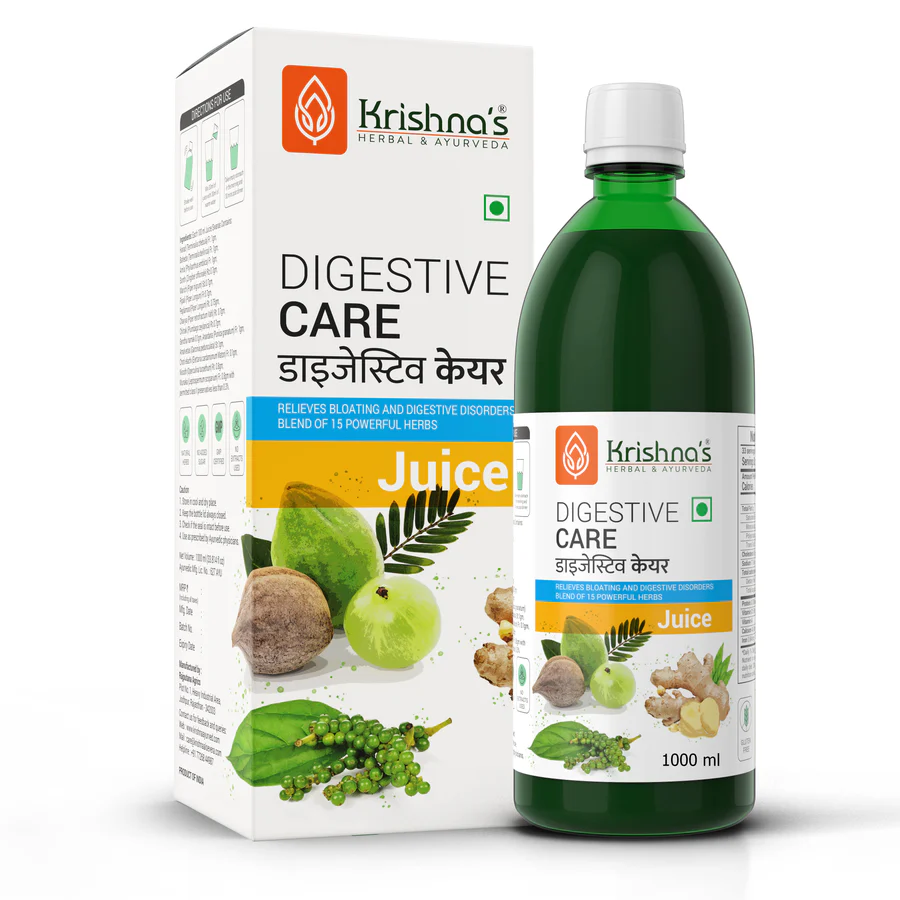
A popular Ayurvedic formulation for gastritis is Krishna’s Digestive Care Juice. It’s a blend of:
- Anardana (Pomegranate Seed) – aids digestion and reduces inflammation
- Pipali (Long Pepper) – have digestive and anti-inflammatory properties
- Amla (Indian Gooseberry) – A Vitamin C-rich cooling agent that naturally repairs the gut lining
- Plus other herbs like elaichi, ginger, sendha namak and chirka mool, all of which soothe inflamed mucus and help relieve digestive disorders.
The best thing is that the juice is completely natural (no chemicals or preservatives), and you can easily take it in the morning or at night. If you are a frequent traveller or someone who can’t make herbal teas at home every day, this ready-to-use juice is a super convenient option.
4. Panchakarma for Chronic Gastritis
If you have been dealing with gastritis for years, then it’s time to go for Ayurveda’s most powerful detox therapy, Panchakarma for gastritis.
Panchakarma is essentially a structured process to remove accumulated ama (toxins) and aggravated doshas (like Pitta and Vata) from the body. In chronic Amlapitta, especially when acidity is linked to emotional stress, this therapy helps a lot.
Some common therapies used for gastritis include:
- Virechana (Purgation Therapy): In this, specific herbs are given to flush out excess Pitta from the liver and intestines. When done safely, it helps calm burning sensations and inflammation over the long term.
- Takra Dhara: Buttermilk is poured steadily over the forehead. This therapy helps release mental stress, irritability, which indirectly are responsible for imbalanced gut health.
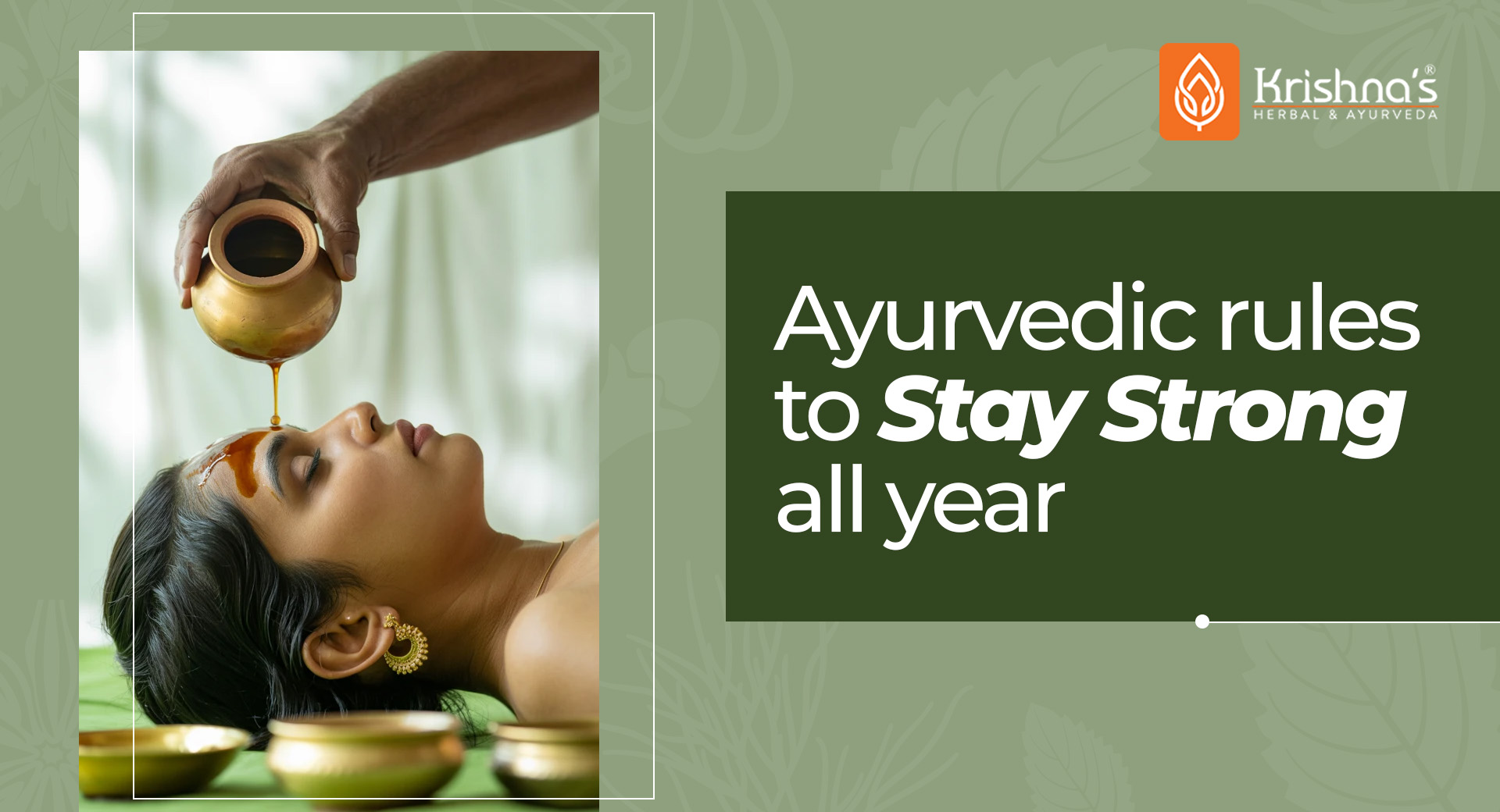
- Shirodhara: Warm oil (like Brahmi or Kshirabala) is gently dripped onto the forehead. It deeply relaxes the nerves and is very helpful in anxiety-induced gastritis.
- Basti (Medicated Enema): Ghee or herbal oils are gently introduced into the lower gastrointestinal tract through the anus using a particular tool. This process is very effective for recurring symptoms like constipation, acidity, bloating, or burning.
Takeaway
Along with the above ayurvedic treatments for gastritis, your entire daily routine matters in how quickly and sustainably you heal. If you’re doing everything else right, but your daily habits are still toxic, gastritis will keep coming back.
So, wake up early, eat on time, keep dinner light, and manage your stress. These simple habits play a major role in your recovery.
Recent Articles






Related products

YOU MIGHT ALSO LIKE