
Dealing with a condition like PCOS, which comes with so many symptoms that are out of your control, can be difficult and tricky to manage. While trying to do everything right, from diet to herbal support like Krishna’s She Care Juice to being physically active, there can be times when you unknowingly make mistakes.
This blog discusses some of the most common lifestyle mistakes women with PCOS fall into without realizing it.
Why Lifestyle Matters in PCOS?
PCOS is a condition where the small everyday habits create a big difference. Taking medicine is important, but if your lifestyle is not on the right track, symptoms keep coming back again and again.
The first thing is food. In PCOS, the body has trouble handling sugar. If you keep eating junk food, sweets, or processed snacks repeatedly, your blood sugar becomes unstable, which further triggers weight gain, acne, and irregular periods. On the other hand, if you eat balanced meals like simple home-cooked food, vegetables, and protein, your hormones naturally start to calm down.
Exercise is equally important. With PCOS, a sedentary routine makes the body even more sluggish. A little walk, yoga, or light workout during the day doesn’t just help with weight control; it also helps improve mood and energy.
You might already be aware of all this somewhere, but still, PCOS is surrounded by myths and misconceptions, which often push women into making mistakes.
Lifestyle Mistakes That You Should Avoid With PCOS
1. Ignoring Consistency in Routine
One of the biggest mistakes many women with PCOS make is taking their routine lightly. One day they eat healthy all day, the next day it’s all junk; one day they do yoga, then skip it for three days; sometimes they get proper sleep at night, other times they stay awake the whole night. This up-and-down pattern creates even more problems for PCOS.
A PCOS body likes predictability. When your food, sleep, and activity follow a regular rhythm, hormones gradually begin to settle. But when the lifestyle is sometimes strict and sometimes completely neglected, the body gets confused and symptoms get triggered, like sudden bloating, mood swings, or cycles becoming even more irregular.
Many women think, “What difference will one or two days make?” But in PCOS, these very small things create a big effect in the long run. This is the reason you need to build a consistent routine, even if it’s simple.
2. Following Random Diets or Over-Restricting Diet
Diet is important in PCOS, but following random diets like “no carbs,” sometimes “only juice cleanse,” or trending diets from social media can do more harm than good. At first, it feels like “finally something will work,” but the body doesn’t respond well to these sudden restrictions.
Over-restricting slows down metabolism, lowers energy, and increases stress levels. Sometimes weight may drop temporarily, but cravings and binge eating get triggered soon after. Random diets are also not sustainable long-term, and in PCOS, results mostly come from slow and steady changes.
3. Doing Excessive High-Intensity Workouts
Most women with PCOS have belly fat, and just to battle the bulge, they tend to go overboard during workouts. They start doing heavy cardio or intense HIIT sessions at the gym every day, thinking, “the more intense, the better.” But in reality, the body doesn’t get time to recover, and stress hormone cortisol rises, which can further trigger PCOS symptoms.
Many women follow the same heavy routine daily just to lose weight or get their period cycle back on track, and then face fatigue, exhaustion, or irregular periods. High-intensity workouts are helpful, but moderation and consistency are more important.
A better approach for PCOS is to choose a combination of light cardio, yoga, walking, and occasional strength training. Give your body a gentle push, but don’t overstrain.
4. Neglecting Mental Health
To manage PCOS, women follow a diet, take multiple supplements, and exercise, and all of these are important. But often one thing is missed: mental health. Many people think, “diet and exercise are enough,” but stress and tension also directly affect hormones.
When stress is high, cortisol levels in the body rise, which disturbs reproductive hormones. And what happens then is PCOS symptoms like irregular periods, acne, hair growth, or mood swings get triggered even more. This means that even if you follow a perfect diet and exercise daily, if your mind is stressed, results will remain limited.
5. Failing to Address Insulin Resistance Early.
In PCOS, one thing that is often missed is taking insulin resistance seriously. Insulin resistance occurs when the cells in the body cannot properly use insulin, resulting in excessive blood sugar levels. If not treated on time, it can lead to weight gain, fatigue, acne, irregular periods, and unwanted hair growth.
In reality, many women only see a doctor when symptoms are clear. However, if insulin resistance is detected early and minor lifestyle and dietary modifications are implemented, the body can naturally balance hormones, lowering the risk of PCOS problems dramatically.
6. Using Too Many Supplements at a Time
There are many supplements available in the market that claim to treat PCOS. What women often do is start using everything or several supplements at once, thinking that they will see quick results.
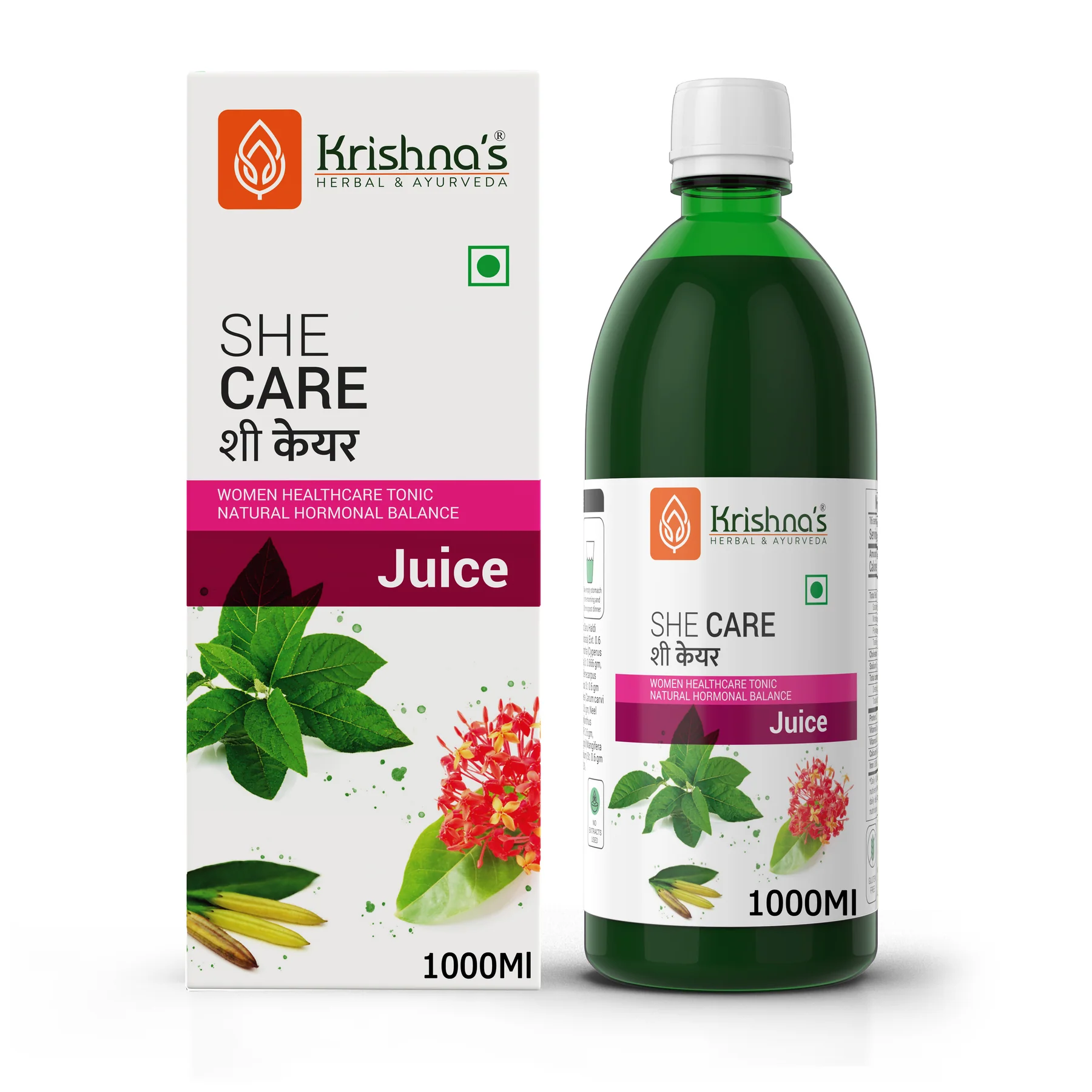
While choosing supplements, pay attention to quality and ingredients, and instead of using many products at once, follow only the necessary and trusted ones, like Krishna’s She Care Juice, which is made from pure herbs and is preservative-free.
But blindly picking any product from a medical store shelf is not the right approach. They may contain unnecessary sugar or additives, which can disturb your sugar and insulin levels and make managing symptoms even harder.
So, include each supplement based on your needs and a doctor’s guidance, and avoid trying too many at once.
7. Ignoring Sleep or Poor Sleep Habits
Another common mistake women make in PCOS is ignoring sleep. Due to a busy routine, late-night scrolling, or work pressure, often 5-6 hours of sleep is not enough. It may seem like a small thing, but for the body, it’s a very big factor.
When sleep is insufficient, cortisol levels in the body rise, disturbing hormones. And Periods become more irregular, mood swings and fatigue increase, and weight control becomes difficult. Basically, if the body doesn’t get time to rest and repair, PCOS symptoms get triggered even more.
Takeaway
PCOS is a chronic condition, and managing it requires a holistic approach. Along with this, it’s essential to follow every approach consistently.
Thinking that you will get instant results is wrong. Instant results are mostly temporary and often bounce back quickly. In PCOS, you don’t need instant fixes; what you need is a consistent routine and habits so that hormones regulate properly, cycles remain stable, and symptoms become naturally manageable.
Recent Articles






Related products

YOU MIGHT ALSO LIKE