You may have tried a Fat Reducer Juice to lose weight. It may have worked for you. But if you pair it with walking, the results can be even better.
Walking, one of the easiest ways to lose weight.
You walk from your car to your office. You walk when you take a small round in your lane. You even walk from the couch to the fridge without thinking twice. It’s something you do all day, every day, without calling it exercise. And people who walk regularly often talk about how much better they feel physically and mentally.
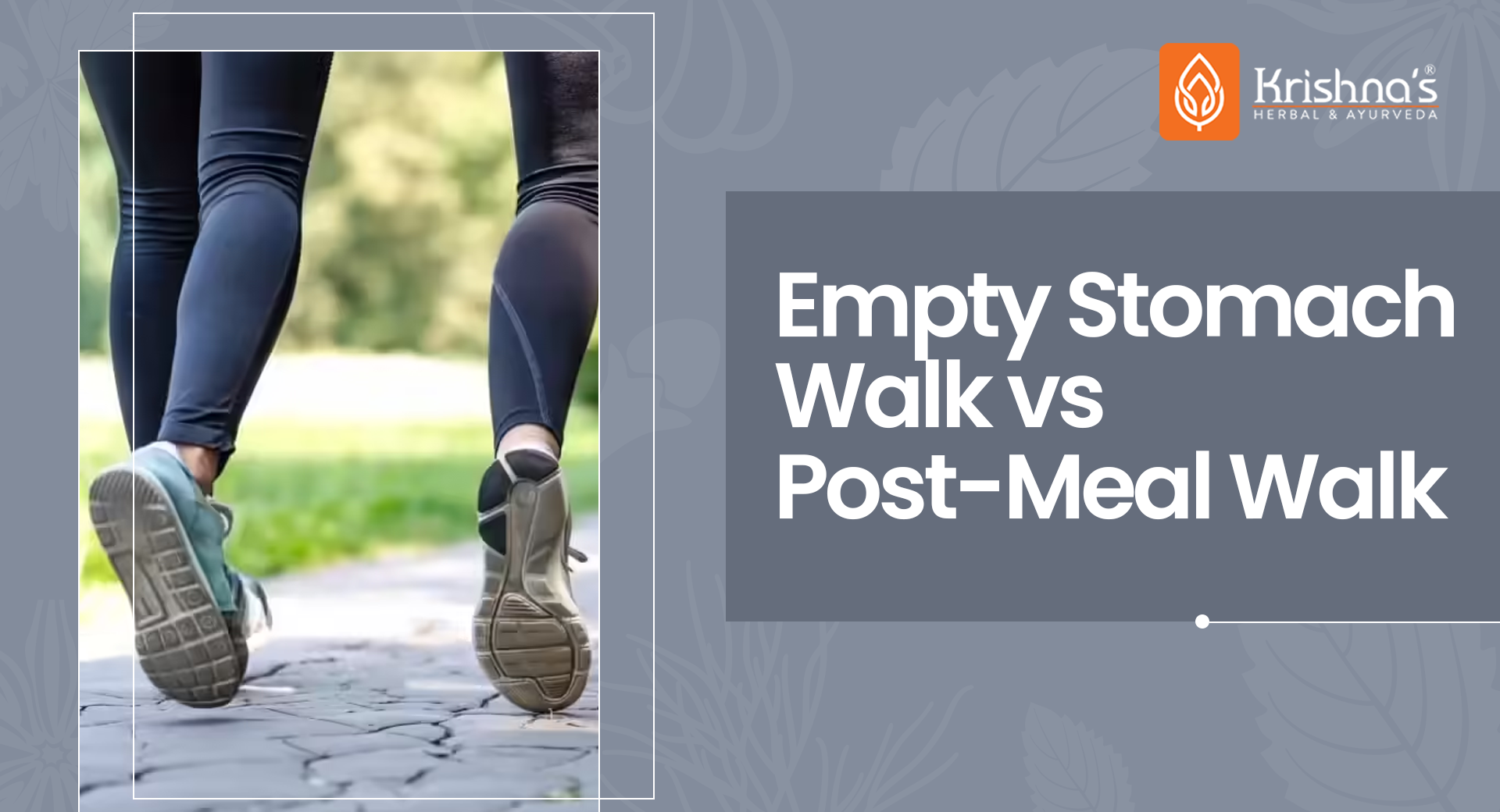
But does the timing of your walk also matter? Should you walk empty stomach, or is it better to walk after meals?
Well, both work in different ways and may yield several health benefits. Read on to know which is better, so you can choose what actually works for you.
How Does an Empty Stomach Walk Help With Weight Loss?
An empty stomach walk is exactly what it sounds like: you go for a walk before eating anything. Most people do this in the morning, after waking up, when the body hasn’t had food for several hours. No breakfast, no juice, just you and your walk.
Why do people do it? Because when you haven’t eaten, your body doesn’t have fresh energy coming in from food. So instead of using sugar from meals, it starts using stored energy. And that stored energy often comes from fat. This is why many people feel that empty stomach walking helps with fat loss.
Another thing that helps is that your body’s sugar levels are naturally lower in the morning. When sugar levels stay steady, your body is less likely to store extra fat. Over time, this can support gradual weight loss, not suddenly, but slowly and steadily.
This kind of walk works best when it’s calm and unhurried. You’re not trying to burn yourself out. You’re just moving enough to wake your body up. When you keep it easy, your body handles the walk better and doesn’t go into stress mode.
What’s important to understand is this: empty stomach walking supports weight loss only when it becomes a regular habit. One or two walks won’t change much. Also, walking on an empty stomach won’t cancel out unhealthy eating or long hours of sitting. It’s just one small habit that can support weight loss when you’re consistent.
Benefits of Empty Stomach Walking
One big benefit is that it’s easy to stick to as you don’t have to plan meals around it or wait after eating.
You may also feel lighter and more active throughout the day. Another benefit of walking empty stomach is that you notice better control over cravings later in the day. When your morning starts with movement, you’re often more mindful about food choices.
It’s also easy on the body. A slow, steady walk doesn’t put pressure on your joints, and you can do it daily without feeling sore or exhausted.
Who Should Avoid Walking Empty Stomach?
Empty stomach walking isn’t for everyone. If you feel weak, dizzy, or just off when you walk without eating, it’s probably not for you. This can happen more if you have issues like diabetes or low blood pressure.
And if a morning walk leaves you with a headache or sudden tiredness, don’t push through it. Have something light first, or switch to walking after meals.
How Does a Post-Meal Walk Help With Weight Loss?
A post-meal walk is going for light walking for 10 minutes after you eat, usually after lunch or dinner.
When you eat, your body starts working to digest food and manage the rise in blood sugar. Sitting or lying down immediately after meals can slow this process. A light walk helps your body use the energy from food better, which can reduce fat storage.
Another important point is digestion. Gentle movement improves gut activity, which helps prevent bloating and heaviness. When digestion feels better, you are less likely to overeat later or snack unnecessarily.
Benefits of Walking After Meals
One of the biggest benefits of post-meal walking is that it’s safe for almost everyone. Unlike empty stomach walking, you already have energy from food, so there’s less risk of weakness or dizziness.
It’s also helpful for blood sugar control, especially if you have diabetes. Moving your body or walking post-meal may prevent excessive blood sugar spikes. A study done on people with type 2 diabetes showed that taking short, light walks after each meal helped control blood sugar better than doing one longer walk at a single time of the day.
Another notable benefit of walking after a meal is that it helps reduce heart disease risk.
Mentally, it helps too. A short walk after meals can reduce stress, improve mood, and stop the urge to lie down or scroll mindlessly. Small habits like this play a major role in weight loss when followed with a proper diet plan.
Which Is Better for Weight Loss?
The honest answer is: the one you can do regularly without forcing yourself. If you enjoy quiet mornings and feel okay walking without eating, an empty stomach walk can fit nicely into your routine. But if mornings are rushed, or you feel low on energy without food, a post-meal walk usually works better.
Weight loss doesn’t happen because of one perfect walk. It happens when movement becomes part of your day. A routine that feels easy is the one you’ll stick to, and that consistency matters more than timing. Some people even mix both, a light walk on an empty stomach some days, and post-meal walks on others.
Instead of asking which walk burns more fat, ask yourself which one feels doable on most days. When walking fits naturally into your life, your body responds better. Less pressure, more movement, and steady results over time.
Walking is good for your health in general, not just for weight loss. At the end of the day, timing is not the most important thing. Walking is. Whether it’s morning, afternoon, or evening, regular movement matters more. Try to stay active daily and aim for around 8,000 to 10,000 steps in whatever way suits your schedule. The best walk is the one you don’t quit.
Recent Articles





Related products


YOU MIGHT ALSO LIKE