
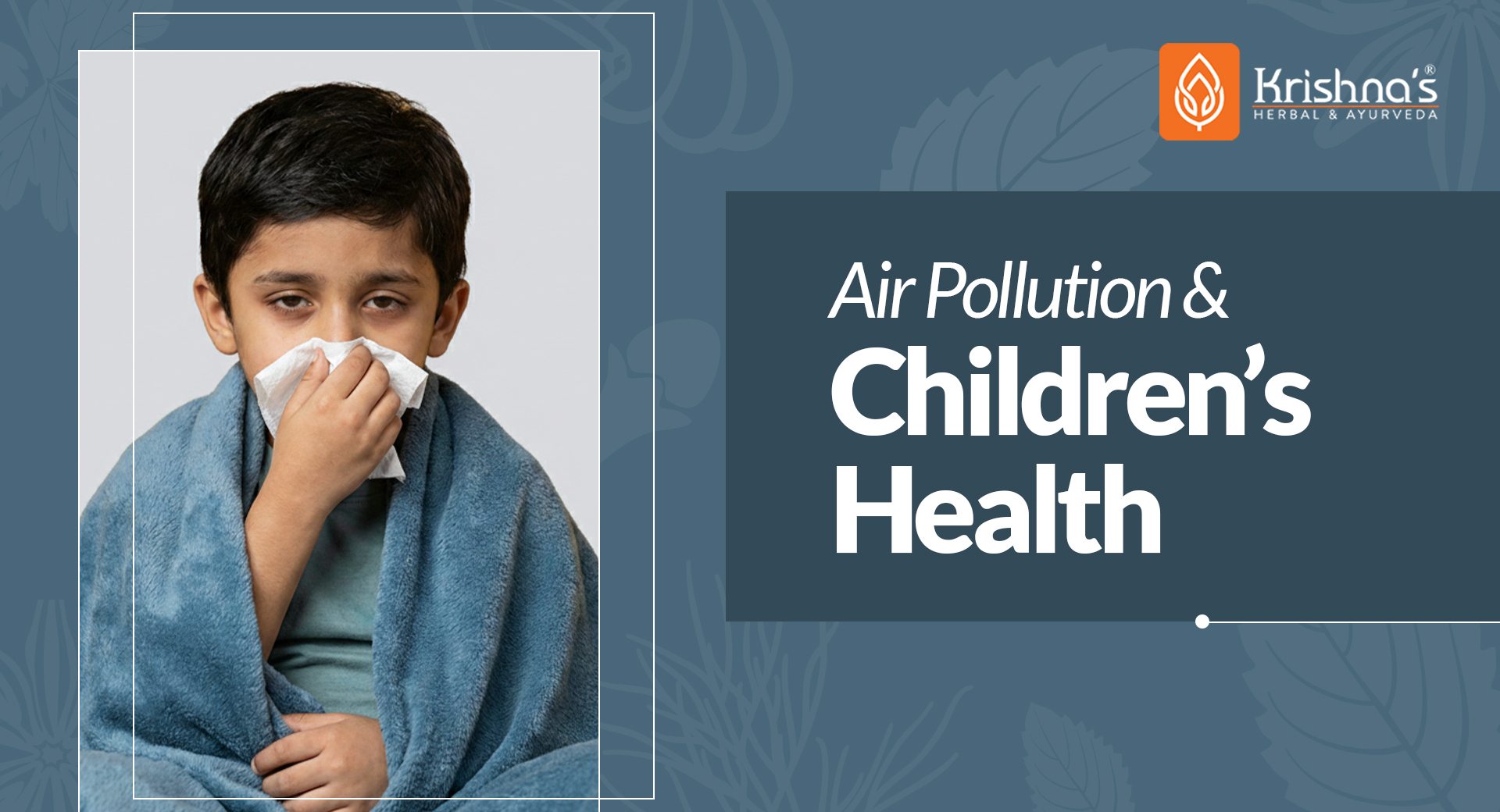
Today, major cities in India are choking under toxic air pollution. And most of us have just learned to live with it. Children are breathing this every day at school, playgrounds, and even at home through open windows. The scary part is that children don’t handle polluted air the same way adults do.
While adults feel irritation and headaches, kids are at much higher risk because their lungs are still developing. Because of this, polluted air can trigger coughs, wheezing, frequent infections, and lower immunity. Over time, this kind of exposure can affect a child’s overall health.
Parents are installing air purifiers at home and limiting outdoor exposure; many have also started using traditional remedies like Chyawanprash to support their children’s immunity and help protect their growing lungs. But with pollution levels getting worse, it’s important to understand what this means for children and how the damage can be reduced.
Ayurvedic Blends That May Help Build Natural Immunity
Why Air Pollution Affects Children More
The fact is, children handle polluted air very differently from adults. Their lungs are still growing, so whatever they breathe in affects them more deeply. They also don’t stop and think, “the air is bad today”. They still run around, play outside, go to school, and breathe it all in.
Their immunity is still maturing, so their bodies don’t fight off pollution-related infections as effectively as adults, which is why they catch coughs and colds so often when pollution is high. Learn About: 5 Ayurvedic Herbs to Boost Your Immune System
What makes it worrying is that nothing looks serious at first. The damage happens slowly, quietly, day after day, making them fall sick often or take longer to recover.
What Polluted Air Does to a Child’s Body
Air pollution doesn’t affect your children in one way. It affects their breathing, their growth, their learning, and even their health years later as adults. Some effects show up quickly, but others build over time.
Immediate effects of air pollution on a child’s health
When the air is polluted, it carries tiny particles from vehicle smoke, dust, and chemicals. These particles go straight into the lungs when a child breathes. As mentioned before, a child’s lungs are still growing, so this dirty air irritates them again and again, causing frequent coughing, feeling breathless after playing, or developing wheezing.
Polluted air is also a common reason behind illnesses like bronchitis, pneumonia, and asthma. If a child already has asthma, bad air can trigger more attacks and make breathing much harder. Even children who never had breathing issues before can develop problems over time.
Also Read: Best Ayurvedic Herbs to Cleanse and Strengthen Lungs
Children keep falling sick
Many parents complain that their child keeps getting sick, especially during smoggy months. One cold ends, another begins. Medicines help, but the problem keeps coming back.
This happens because polluted air weakens the natural lining of the nose and lungs. That lining normally protects the body from germs. When it stays irritated for weeks, infections find it easier to enter. So children fall sick more often and take longer to recover.
Impact on learning and behaviour
This part often surprises parents. Research over the past few years has shown that polluted air can affect the brain as well. Children who get exposed to high pollution on a daily basis may have trouble concentrating, feel restless, or get irritated easily.
These kids pay little attention in class or have learning difficulties. These are such subtle changes that they are easy to miss, but they matter, especially during the years when a child’s brain is still developing.
Tiredness and low energy
Air pollution doesn’t only affect breathing. When a child is not getting enough clean oxygen, the body has to work harder. That’s why some children feel tired very easily.
Parents may notice that their child doesn’t want to run or play as much as before. They may sit down often or complain of feeling exhausted. This is not laziness. It’s the body struggling quietly.
Long-term risks that don’t show up early
The most worrying effects are the ones that don’t show up immediately. Long-term exposure to polluted air during childhood has been linked to chronic breathing problems later in life. There is also growing concern about increased risks of heart and metabolic issues in adulthood.
Signs Your Child May Be Affected by Air Pollution
Most signs don’t look serious at first, which is why they’re easy to miss or ignore. A child may have a cough or cold that never fully goes away. It gets better for a while and then returns, especially during high-pollution days. Parents often think it’s just the weather or a weak immune system, but the pattern keeps repeating.
Low energy is another common sign. A child who is usually active starts becoming tired easily or avoids physical play. Changes in behaviour, like poor concentration, irritability, or restlessness, can also be a clue.
Repeated throat infections or chest problems are another signal that points to the air your child is breathing every day.
How Parents Can Reduce a Child’s Exposure to Air Pollution
1. Start with what you can control at home
You can’t do much about the air outside, but you can control the air inside your home. Make sure rooms are well ventilated, open windows when the air feels cleaner, and avoid using incense sticks, dhoop, and mosquito coils, especially in closed rooms where children spend most of their time.
2. Be mindful of outdoor time on bad air days
Children will always want to play outside, and that’s important. But on days when pollution levels are high, limit their outdoor activities. If possible, plan outdoor play early in the morning or after sunset when air pollution is usually lower.
3. Create cleaner spaces for sleep and study
Children spend many hours sleeping and studying indoors. So, try to keep these spaces as clean as possible. Do regular dusting, wash curtains and bedding, and use an air purifier in your child’s room.
Support your child’s natural defence system with proper food and nutrition
The truth is, no matter how careful you are, children can’t completely escape polluted air. That’s why what goes into their body matters just as much as what they breathe. When kids eat too much junk food, packaged snacks, or sugary drinks, their body has a harder time coping with everyday stress, including pollution.
Also Read: Immunity-Boosting Foods You Should Eat Daily
Simple, home food is best. Fresh, seasonal fruits, vegetables, dals, curd, nuts, and enough water help the body stay stronger from the inside. You may also choose to follow traditional practices you trust, like giving Chyawanprash, especially during winter or high-pollution months. This is an old-age remedy that supports immunity and keeps the respiratory system stronger.
Learn: What Happens if We Eat Chyawanprash Daily?
If your child keeps falling sick or struggles with repeated colds and coughs, an Ayurvedic practitioner can help treat the issue from the root. Consult an expert now.
Recent Articles








Related products


YOU MIGHT ALSO LIKE