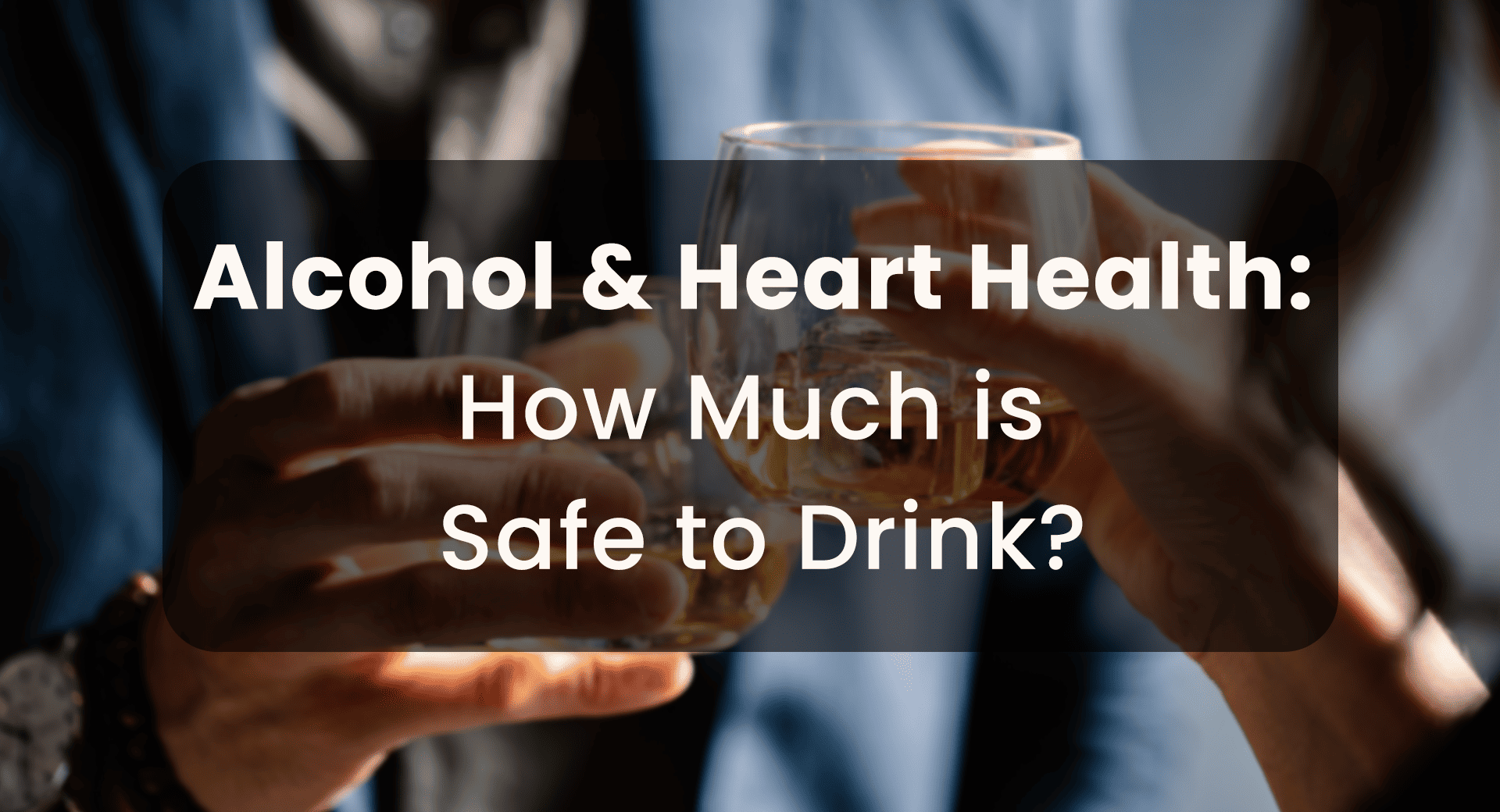
You’ve probably seen the headlines…“Red wine lowers cholesterol!” or “Moderate drinking may protect your heart!” Sounds like a great excuse to pour yourself a glass, right? But hold on. The truth isn’t that clear-cut.
While some studies suggest light to moderate drinking might have certain heart-related benefits, these claims come with a long list of “maybes,” “buts,” and “only ifs.” The effects of alcohol on your heart aren’t the same for everyone, and in many cases, especially those with heart issues or high blood pressure, it can add to the problem over time.
That’s why a lot of people are now choosing gentler ways to take care of their hearts. Eating clean, moving more, and going for herbal support like Krishna’s Cardiac Care Juice.
So, before you raise a toast thinking it’s heart-healthy, it’s worth taking a closer look at what alcohol really does to your heart and whether any amount is actually safe.
How Alcohol Affects Your Heart?
It’s a mixed bag. In small amounts, alcohol might relax blood vessels temporarily. That’s where the idea of “a glass of wine is good for you” comes from. But the same alcohol can also raise your blood pressure over time, mess with your heart rhythm, and increase the levels of fat in your blood, especially if you drink more than just “once in a while.”
Here are a few ways how alcohol might impact your heart health:
1. It Can Increase Heart Rate
Your heart works in a natural rhythm. Usually, when your body is at rest, the heartbeat stays about 60 to 100 beats per minute. But when you consume alcohol, especially in larger quantities, the heart rate temporarily starts jumping up in speed.
And if the heart rate goes above 100 beats per minute, it can result in a condition called tachycardia.
Having too many episodes of tachycardia can start weakening your heart. This can disturb the normal beating pattern of the heart and increase the risk of irregular heartbeat, which is directly linked to conditions like heart attack and stroke.
2. It Can Raise Your Blood Pressure
After four drinks, it feels like all the stress has melted away, and your mood feels lighter…it happens, right? But what’s really happening inside, we don’t even realise.
After consuming alcohol, you might feel relaxed, but your body’s blood pressure silently starts rising. Especially if you’ve had 4–5 drinks in a short time (which is called binge drinking), this spike can be even more dangerous. For women, 4 or more drinks within 2 hours, and for men, 5 or more drinks count as binge drinking.
Read more : What is Healthy Blood Pressure?
Yes, we all sometimes end up drinking more, whether it’s a birthday, wedding, or a friend’s get-together. But the real problem starts when that “sometimes” becomes a routine. If you can’t even recall how many times it happened last month, it’s time to observe a little more carefully. Start keeping track of your drinking frequency and quantity.
If you already have high blood pressure, then staying away from alcohol is the best choice. Or if you must drink, then only occasionally and in very small quantities, just for the taste, not as a stress relief tool.
3. It Can Trigger Irregular Heartbeats
Ever heard of “holiday heart syndrome”? It’s not as festive as it sounds. It usually happens when people who don’t regularly drink suddenly have a few extra drinks at a party or celebration. The result is an irregular heartbeat, something called atrial fibrillation.
This kind of rhythm disturbance can raise your risk of stroke, heart failure, and other serious heart issues. And yes, even a weekend of partying can trigger it in people who otherwise seem healthy.
4. It Can Damage the Heart Over Time
Minor problems like headache, nausea, or fatigue are things you feel right after drinking alcohol. But some effects work slowly on your body and have a much deeper impact, especially on your heart.
When someone drinks heavily for a long time, a condition called alcoholic cardiomyopathy can develop. In this, your heart gradually starts losing its strength. Its pumping capacity reduces, and its size begins to enlarge. In simple terms, the heart can’t do its job efficiently anymore.
If You Drink Alcohol, How Much Is Considered Safe?
Let’s get straight to the point… is there any safe limit for alcohol?
Short answer: “Technically, NO”, WHO and several recent research papers clearly say that health risks from alcohol begin with the very first sip. Whether it’s wine, beer, or whisky, all contain alcohol, and that’s the core problem.
So, there’s no level of alcohol that’s completely safe, but if you do drink, one way to lower your health risks is to stay within 14 units per week. Even this quantity should be evenly spread throughout the week (consuming everything in one day is called binge drinking), which is dangerous for both the heart and liver. Also, keep a few days completely alcohol-free. It will help your system recover and reduce the risk of developing alcohol dependency.
If you drink occasionally, like just a glass once in a while, then no need to panic. But it’s important to understand what “moderate” really means, and whether your routine is crossing that line.
Read more : HDL vs. LDL Cholesterol: What Every Health-Conscious Person Should Know
Other factors to consider
It’s not just about how much you drink; your age, health conditions, and any medications you’re taking also matter.
Age
In your 20s, a party night might feel fine the next day, but after your 40s, the same as one in your age, it hits twice as hard. That’s because with ageing, your body’s ability to process alcohol slows down, and your tolerance decreases.
On top of that, many people start taking medications with age, like for BP, diabetes, or cholesterol. These medicines can interfere with the way your body metabolises alcohol.
Health Issues
If you’re dealing with health problems like high cholesterol, fatty liver, diabetes, or high triglycerides, alcohol can worsen the condition.
Medicines and alcohol are processed by your liver. So when you take both together, the liver tries to handle both at once, ending up putting extra pressure on your system.
And yes, alcohol contains sugar, so if you have diabetes or are dealing with insulin resistance, alcohol can make things worse.
Read more : How Do I Diagnose Diabetes?
Takeaway
Having a drink now and then, celebrating on social occasions, is okay as long as you know how to time it and how much you can safely consume. But blindly thinking “wine is healthy” or “red wine strengthens the heart”, that mindset is outdated now.
Awareness is the first step. Understanding your habits, tracking them, and slowing down if needed, these steps can be really helpful for your heart in the long run.
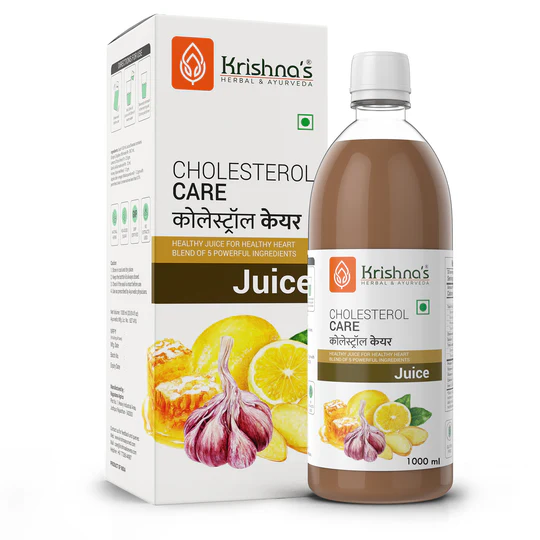
So, remember, drinking is not the way to improve your health. There are far safer and more effective ways to take care of your well-being, like eating nutritious food, staying active, managing stress, and adding Ayurvedic options like Krishan’s Cardiac Care Juice or Krishan’s Cholesterol Care Juice to your routine.
Recent Articles




Related products


YOU MIGHT ALSO LIKE