

The vast cultural and geographical landscape of India ensures that we get to experience all four seasons throughout the year. And with altering weather patterns, we adjust our wardrobe. But there is another important thing that needs a timely change every now and then: our Skincare Routine!
Ayurveda calls this Ritucharya, a way of aligning our daily habits and skincare with nature’s rhythm, so skin that’s oily in summer, dry in winter, or sensitive in monsoon gets exactly what it needs. For example, Aloe vera gel is a summer superstar: cooling, soothing, and lightweight. But when winter comes, our skin needs an extra layer of moisture to avoid tightness and flakiness. To know some Ayurvedic tips on how to maintain our skincare routine in each season and weather conditions, read on.
What is Ritucharya?
Ritucharya is an Ayurvedic way of living in tune with the seasons. The word comes from Ritu (season) and Charya (routine). It basically means adjusting our food, habits, and skincare based on the weather around us. It is an ancient Ayurvedic practice that is like nature’s own guide to balance. The practice helps you to build physical strength and mental capability to cope with seasonal changes and battle ailments that may come along with it, so that we have more strength, stay healthy, and live longer.
Ayurveda says that every living being is an integral part of the natural world, and so are humans. We do not exist in isolation, so everything around us, from the food we eat to the air we breathe, affects how our body feels and functions. Our bodies change with the seasons, too. The weather, temperature, and even the time of year can influence our internal energies or the three doshas that constitute one’s Prakriti.
And when this balance shifts, it shows up on our skin first. This is the reason why in some seasons our skin glows, while in others it looks dull, dry, or breaks out.
Understanding Ritucharya and The Skin
Going by Ayurveda, the year is divided into two Kaals (parts/periods) based on the position of the sun. In each kaal, there are three different seasons (ritus), which gives a total of 6 seasons in a year.
- Adaan Kaal/ Northern Solstice lasts from mid-January to mid-July. This kaal comprises Sishiram (winter), Vasantham (spring) and Greeshma (summer).
- Visarga Kaal /Southern Solstice lasts from mid-July to mid-January. This kaal comprises Varsham (rainy season), Sarath (autumn), and Hemanta (dew).
Each of these seasons has a great impact on our mind, body and skin, which is why in Ayurveda, there is great emphasis on practising a seasonal routine, ‘Ritucharya’, aligned with our Prakriti.
Our skin never really feels the same all year. In winter, it gets stretched and dry, in summer, it feels a bit greasy or red, and during monsoon, it just doesn’t behave, sometimes dull, sometimes sticky. Ayurveda says this isn’t random. Our skin reacts to whatever’s happening around us: the air, heat, moisture, everything.
Each season changes the natural balance inside our body. When it’s too hot, the skin heats up too. When the air gets dry, our skin loses its softness. And when it’s damp outside, our pores feel heavy and clogged. Thus, our skincare routine should be in accordance with the season.
Ayurvedic Skin Care Tips for Each Season (Ritucharya Guide)
1. Shishira Ritu (Winter: Mid-January to Mid-March)
According to the English season, this time is late winter. In this period, the air gets dry and your skin becomes tight, rough, maybe even a bit flaky. That’s because, according to Ayurveda, this time of year leads to an accumulation of Kapha Dosha and the aggravation of Vata Dosha, which causes dryness and dehydration.
So, this season is restoring the lost softness, warmth, and nourishment. A simple, very effective ritual is Abhyanga or self-massage with warm oil to the whole body for 5-10 minutes before your bath. Use a rich, gently warm oil like Krishna’s Castor Oil. Massage your limbs, arms, and torso, then shower with lukewarm water, and apply a richer moisturiser while your skin is still slightly damp.
In your diet, go for warm and light foods that have good fat like ghee, and spices like ginger and cinnamon. soups, lentils, and khichdi. You can have plenty of green vegetables, beans, dairy, etc.
2. Vasanta Ritu (Spring: Mid-March to Mid-May)
Spring is one of the most pleasant times, which brings freshness and life back into the environment. As winter fades and the air gets lighter, your skin, too, starts feeling it. But along with that freshness comes a new set of troubles: a bit of oiliness, sudden breakouts, and that heavy feeling on the face by midday. Ayurveda explains this as an increase in Kapha dosha, which means excess oil and sluggishness.
Start your mornings with a gentle cleansing face wash like Krishna’s Aloe Vera Face Wash and a mild exfoliator like Krishna’s Aloevera Walnut Scrub. Use natural ingredients like multani mitti once a week to remove excess oil without stripping the skin.
Your diet should be low in sugar and fried food, so it’s easy to digest. Try to step outside in the morning sun or go for a walk; movement helps shake off that Kapha heaviness.
3. Grishma Ritu (Summer: Mid-May to Mid-July)
Summer can be harsh on your skin. The heat, sweat, and dust make it feel sticky, red, or easily tanned. Even the best moisturiser sometimes feels too heavy. Ayurveda says this is when your skin needs cooling and calm, not more layers.
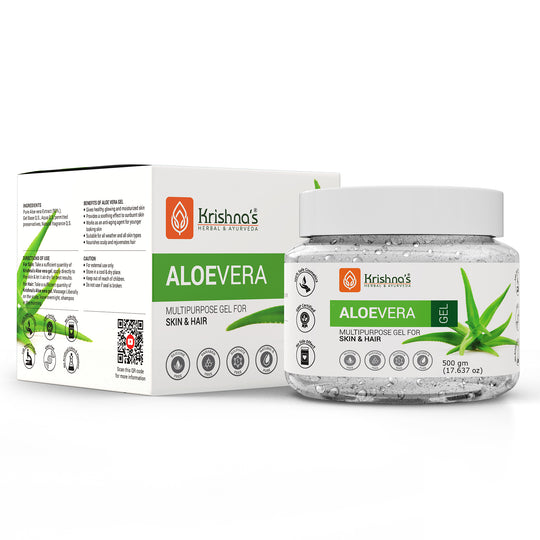
Replace thick creams with something soothing like Krishna’s Herbal & Ayurveda Aloe vera gel. It’s refreshing, helps calm sun-exposed skin, and hydrates without any stickiness. Wash your face with cool water a few times a day, spritz rose water when it feels hot, and drink plenty of fluids like coconut water, buttermilk, or just plain water. Let your skin breathe and enjoy summer without the stress.
4. Varsha Ritu (Monsoon: Mid-July to Mid-September)
Rainy days feel cosy, but your skin usually starts acting up a little oily one day, dull the next, and sometimes those tiny breakouts appear out of nowhere. The moisture in the air clogs pores and makes skin feel heavy. That’s why this season is all about keeping things clean and light.
Use Krishna’s Herbal & Ayurveda Neem Face Wash once or twice a day. It’s gentle but helps control that sticky oil and keeps your face fresh. Skip thick creams for now; stick to a light aloe gel. And yes, drink warm water or herbal tea, it helps balance things from the inside too.
5. Sharad Ritu (Autumn: Mid-September to Mid-November)
Autumn is that in-between weather. It is not too hot, not too cold, yet your skin might still feel a little sensitive or uneven after the humid months. This is the time to calm and repair. Go for soothing, gentle care instead of exfoliating too much. Use a paste made from Rose Leaf Powder as a mask. It is extremely beneficial for balancing your skin naturally.
Eat light, cooling foods and stay hydrated. A few drops of kumkumadi oil at night can also bring back the glow.
6. Hemanta Ritu (Pre-Winter: Mid-November to Mid-January)
This is when the cold really starts setting in. The air feels dry, your lips start to crack, and no matter how much cream you use, the skin still feels stretched. That’s your cue to switch to heavier, oil-based care. Before bath, warm up a little Krishna’s Herbal & Ayurveda Mustard Oil and massage it into your skin. It locks in warmth and keeps the dryness away. After your shower, apply something rich; even plain ghee works wonders. Eat warm food, sip soups or haldi milk, and cover up well when stepping out.
Recent Articles







Related products

YOU MIGHT ALSO LIKE