
PCOS is mostly associated with fertility issues like irregular periods or problems during pregnancy. But this chronic condition also increases the risk of another serious health complication: Prediabetes. Especially if you are overweight.
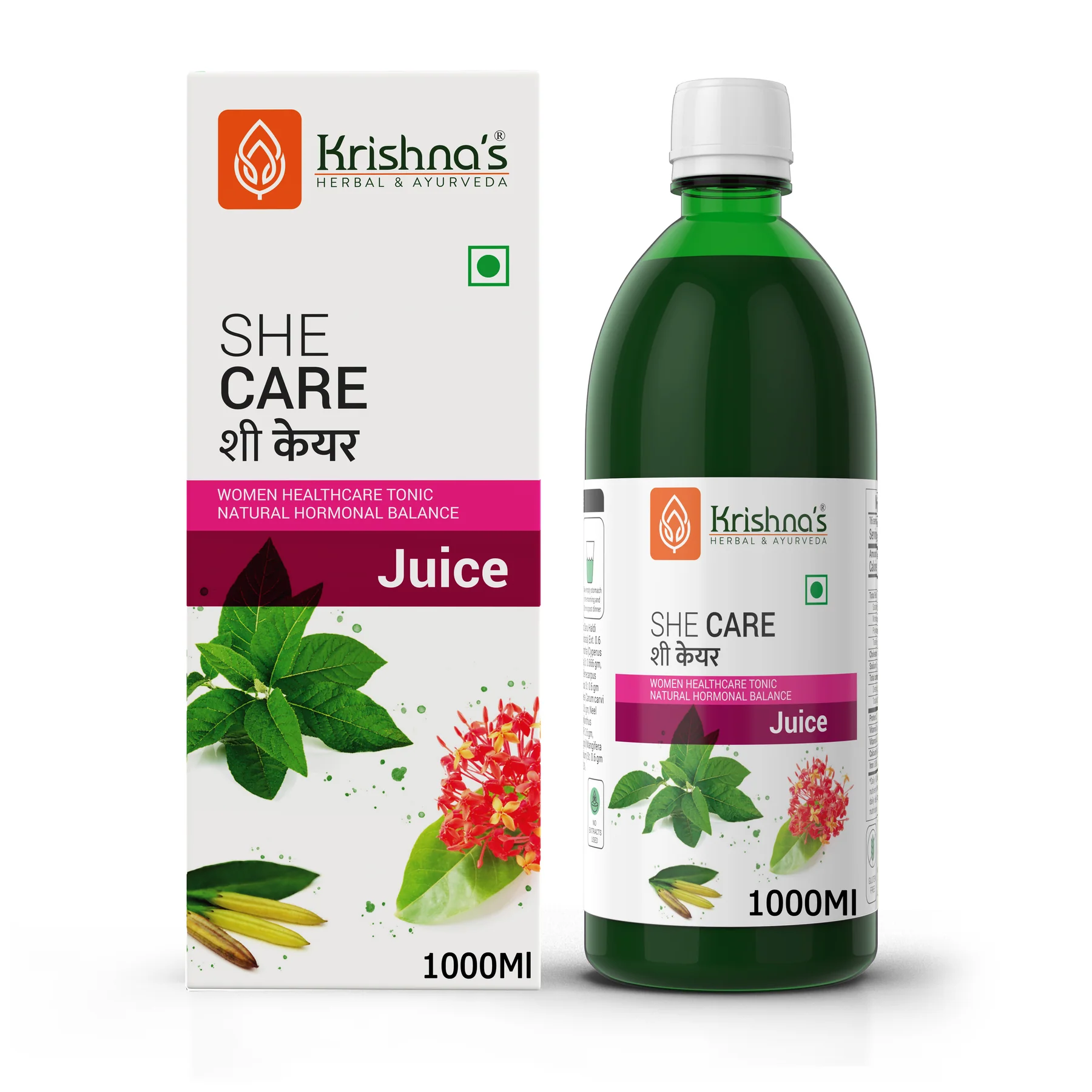
So, to prevent potential issues from developing, it is very important to manage this hormonal problem with proper diet, exercise, and herbal remedies like Krishna’s She Care Juice.
But before that, let’s get into the basics and understand how PCOS and prediabetes are connected.
How Are PCOS and Prediabetes Interlinked?
The link between these two conditions is being investigated, but what many researchers believe is that it’s the insulin resistance that primarily creates a negative reaction, contributing to type 2 diabetes.
PCOS affects the entire hormonal system of your body, and one of the most important hormones involved is insulin.
Insulin is a hormone released by the pancreas. When you eat (roti, rice, tea-biscuits, etc), everything gets digested and turns into glucose (sugar). Insulin’s job is to push this glucose into your cells, so your body can use it for energy or for storage.
Read more : PCOD And PCOS – Symptoms, Causes, Differences & Treatment
The problem with PCOS is that the body gradually stops responding to insulin properly. That means: insulin is present, but the cells stop using it. When this happens, the body starts producing even more insulin, and that leads to hyperinsulinemia. These high insulin levels further disturb the body’s hormonal balance.
The first organ to be affected is the ovaries. High insulin triggers the theca cells inside the ovaries to produce more testosterone (male hormone). This rise in testosterone worsens the classic PCOS symptoms, like:
- Irregular periods
- Facial or body hair growth (hirsutism)
- Acne
- Weight gain, especially around the belly
And this is where the vicious cycle begins. When insulin remains continuously high, the liver stops producing an important protein, SHBG (sex hormone-binding globulin). SHBG’s job is to bind excess testosterone and neutralize it. When SHBG levels drop, free testosterone in the blood becomes even more active.
This hormonal imbalance further worsens insulin resistance, and gradually, your blood sugar levels start crossing the borderline.
And when your fasting or post-meal sugar levels stay consistently high, but haven’t reached diabetic range yet, that stage is called prediabetes.
But insulin resistance isn’t the only reason behind the risk of prediabetes or PCOS. There are two other very important factors, weight and family history.
- Weight: Weight gain is common after developing PCOS, especially around the belly. And if someone is already overweight, their chances of getting PCOS also go up.
In PCOS, your body’s fat-burning system slows down. Insulin doesn’t work properly, and instead of making energy, the body keeps storing fat.
On top of that, sugar cravings, mood swings, and low energy. All add up and lead to even more weight gain. And as weight increases, insulin becomes even more resistant, which eventually increases diabetes risk.
- Family History: Many girls think they have PCOS just because of their eating habits or stress, but when we look at family history, it often turns out that another female relative had the same struggle.
If your mom, sister, or a close relative has PCOS or type 2 diabetes, then your risk naturally becomes higher too. That doesn’t mean you will definitely get it, but your body’s genes carry a certain pattern. And if your lifestyle is unhealthy, that pattern activates faster.
So if you’ve seen someone in your family go through PCOS or diabetes, it’s better to stay a little alert.
How to Know If You’re Developing Prediabetes with PCOS
If you have PCOS, it’s important to get your blood sugar levels checked from time to time. Doctors usually recommend regularly monitoring your weight, fasting sugar, and HbA1c, so that diabetes or prediabetes can be caught early.
Since insulin resistance is common in PCOS, the risk of developing diabetes is naturally higher, especially if you’re overweight. However, as you age, your risk gradually becomes similar to that of other women. That doesn’t mean you should ignore it, but your testing frequency can become a bit more relaxed later in life.
That said, at any age, if certain specific signs start showing up, you should definitely get tested. Some common symptoms include:
- Constant thirst
- Feeling tired or low on energy
- Slightly blurry vision or eye strain
- Frequent urination
- Feeling very hungry, even after eating
- Swelling, tingling, or burning sensation in hands or feet
- Cuts or wounds that take longer to heal
These are signs that your body is struggling to manage sugar properly. And if you already have PCOS, you shouldn’t ignore them.
Early testing helps you take control in time, before it turns into full-blown diabetes.
Tips to Lower Your Risk of Developing Prediabetes When You Have PCOS
There’s no permanent cure for PCOS, but that doesn’t mean you can’t do anything about it. This condition can be managed. It’ll take some time, and you’ll need to shift a few habits, but with gradual changes, both PCOS and blood sugar can be brought under control.
It all starts with small things, like:
1. Weight Management
Many studies show that a higher body mass index (BMI) may be the biggest predictor of whether a woman with PCOS develops type 2 diabetes.
So, even if you lose just 4–5 kilos, your body starts reacting differently. Periods become a bit more regular, fatigue reduces, and most importantly, sugar levels start staying under control.
In PCOS, the body is already prone to storing more fat. Thus, a small amount of weight loss helps insulin start working the way it’s supposed to, and that alone can significantly reduce the risk of prediabetes.
2. Increase Physical Activity
Physical activity has a direct impact on PCOS and prediabetes, and it’s not just about losing weight.
When you exercise regularly, your body’s insulin sensitivity improves. Gradually, insulin resistance goes down, and the hormones that go out of balance during PCOS also begin to stabilize.
You can choose any simple activity daily, but consistency is key. Your body gets the signal that the system is active, and that’s where the improvement begins, in both blood sugar control and hormone balance.
3. Include Natural Remedies to Balance Hormones
When you’re working on weight loss, exercising, and trying to eat clean, adding natural support for PCOS like Krishna’s She Care Juice to your routine can be beneficial.
This juice contains beneficial ingredients like Amla, Ashoka, Neel Kamal, Soonth, Bael, Baheda, Harad, White Sandalwood, Chirayta, Daru Haldi, Nagarmotha, Black Cumin, Adusa, Mango Seed, and Dhava, which help not only in balancing hormones but also in subsiding the symptoms.
And since the juice is made entirely from natural ingredients, the chances of side effects are very low.
Takeaway
PCOS and prediabetes are conditions that push each other forward. When hormones go out of balance, insulin becomes resistant. And when insulin becomes resistant, hormones get even more disrupted. It’s a vicious cycle, one that keeps going unless you step in and break it somewhere.
So how do you break it?
With awareness.
With small shifts in your routine.
And with a little bit of patience.
You don’t have to do everything perfectly, but if you take even one step each day, the cycle begins to slow down, and your body starts moving back toward balance.
Recent Articles





Related products

YOU MIGHT ALSO LIKE