

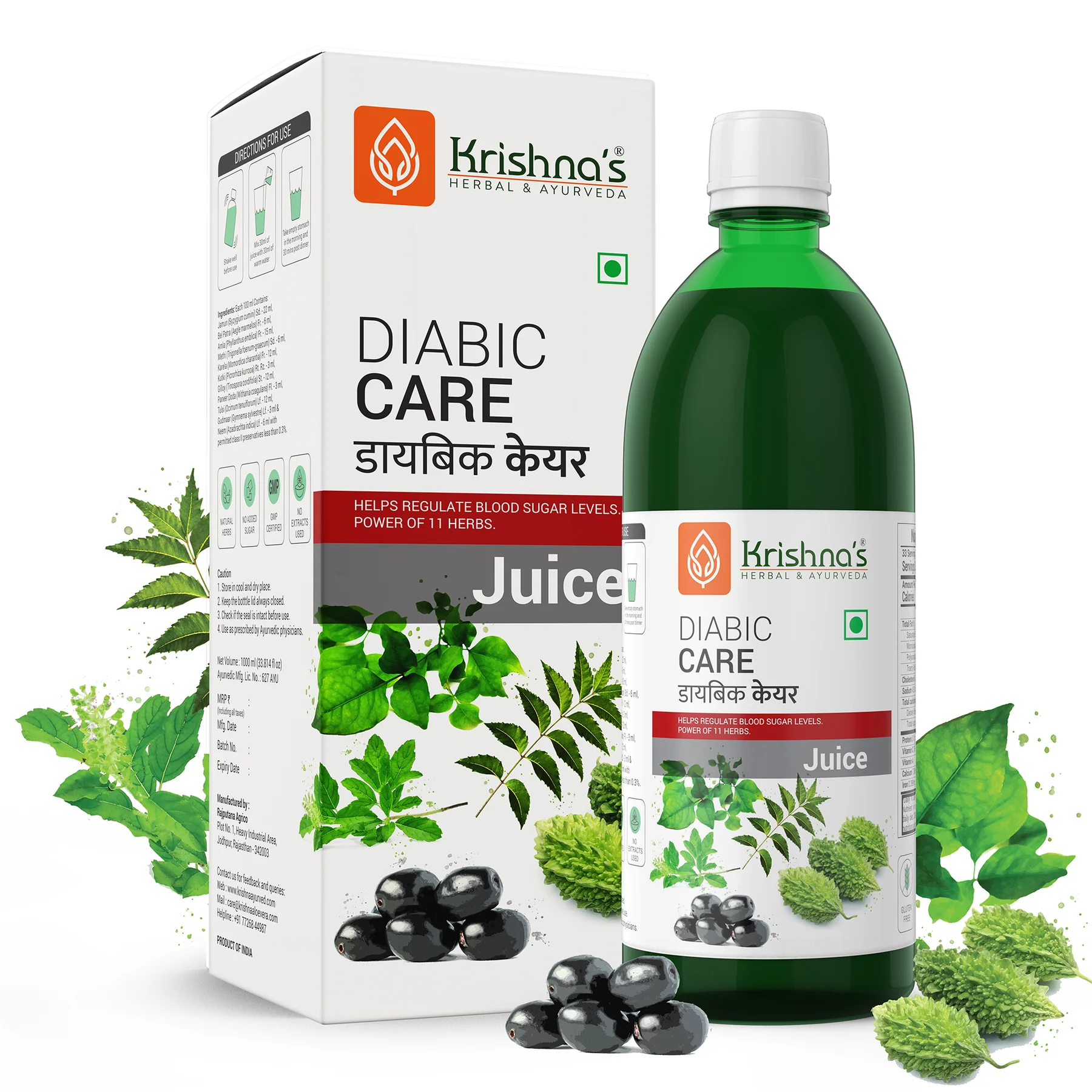
Many people include natural remedies like Krishna’s Diabic Care Juice in their routine to keep sugar under control. But along with all this, your lifestyle and diet choices are equally important in maintaining sugar levels.
When you have diabetes, you can’t eat the way you used to. For example, earlier, you might have been the one who ate 4–5 mangoes in one go during summer, but that luxury doesn’t exist anymore. Even fruit options become limited because most fruits have a high glycemic index that increases sugar levels instantly after consumption.
But among those few fruits that a diabetic can safely eat, guava is one of the best options. Now the question is, how should you eat guava when you have diabetes, and how much should you eat? Let’s understand this in detail.
Guava For Diabetes
If you’re diabetic, it’s not just sugar levels; you also need to keep your weight, blood pressure, and cholesterol in control. The nutrients present in guava are helpful for all these, without causing a blood sugar spike.
Read more : Ayurvedic Treatment For Type 2 Diabetes
How a fruit that’s usually eaten just like any other seasonal fruit can be beneficial for a diabetic, let’s understand one by one :
1. Doesn’t Cause Sugar Spikes
Guava has a low glycemic index (~ 12 to 24). This means it doesn’t raise your sugar levels suddenly after eating, which is the biggest concern with most fruits like mango, banana, etc, when you have diabetes.
2. High in Fiber, So Sugar Takes Time to Absorb
Guava is also rich in fiber. One medium guava contains around 5.4 grams of fiber, especially if you eat it with the peel. This fiber slows down the absorption of sugar, which keeps your blood sugar level more stable, even after meals.
Besides that, fiber keeps you full for longer, which reduces unnecessary cravings. Fewer cravings mean less temptation for processed or sugary food.
3. May Help You Stay In A Healthy Weight Range
For diabetes patients, weight control is very important, and this seasonal fruit can help with that. Guava is a low-calorie fruit. One medium guava has only around 68 calories. That means if you’re trying to control your weight, guava can be a guilt-free snack.
4. Naturally Lowers Blood Pressure
High BP puts strain on your blood vessels, making them stiff and narrow. When that happens, insulin can’t work properly, and your body becomes more insulin resistant. That means your sugar levels may stay high even if you’re eating right. This is also why people with diabetes are at higher risk of heart disease, because both sugar and blood pressure stay out of control.
Guava naturally supports blood pressure control. It contains a good amount of potassium, about 417 mg in one medium-sized fruit. Potassium helps balance out the sodium in your body, which is one of the key reasons for high blood pressure. When your BP stays in a healthy range, your sugar is also easier to manage.
5. Reduces LDL, Triglycerides, and Cholesterol
Diabetic patients automatically have a higher risk of heart disease. When both sugar and cholesterol levels are high, it puts double pressure on your blood vessels, and the risk of complications like a heart attack or stroke starts to increase. That’s why keeping cholesterol within the normal range is an important part of diabetes management.
Read more : HDL vs. LDL Cholesterol: What Every Health-Conscious Person Should Know
In one study, people who ate guava pulp (without the peel) showed a drop in total cholesterol, LDL (bad cholesterol), and triglycerides. So if your cholesterol tends to stay on the higher side and you’re diabetic, guava can act as a natural support that helps keep sugar and fats in balance.
6. Micronutrients Improve Insulin Sensitivity
Guava also gives you some important micronutrients that play a role in how your body uses insulin. It contains vitamin C, folate, magnesium, and lycopene (especially in pink guava). These aren’t just general “healthy” nutrients; they actually affect how your cells react to insulin. Especially in Type 2 diabetes, where the body produces insulin but doesn’t respond to it properly. These nutrients also support the body’s overall metabolism.
Nutritional Value of Guava
One medium-sized guava (about 250g) gives you roughly 68 calories, 5.4g fiber. It has around 200–250 mg of vitamin C, which is double the amount of your daily recommended vitamin C intake. It also contains potassium (417mg), folate, magnesium, and small amounts of iron and B vitamins. Pink guava even has lycopene, a powerful antioxidant.
How to Include Guava in Your Diabetes Diet
Slice it
The simplest way. Just wash it, slice it, and eat. That’s how most people usually have it anyway. It can be a light snack and keeps you feeling full, too.
Mix it in a salad
Chop some guava and mix it with lettuce, a bit of cucumber, onion, tomato, fresh coriander, and sprinkle some chaat masala on top. It’ll taste fresh and give you double the nutrients.
Make a Smoothie
Blend guava with curd, and add some mint. You can have it occasionally for breakfast; it’s refreshing, light, and doesn’t spike your sugar.
Try guava leaf water or tea
Wash some guava leaves and boil them in water for 10–15 minutes. This makes a kind of herbal tea known to help manage blood sugar levels.
Make a chutney
Blend some raw guava with mint, a little cumin, and lemon. You get a tangy chutney that works great as a side, it adds flavor and helps digestion.
Precautions While Eating Guava in Diabetes
Guava is healthy, but like everything else, it works best when eaten the right way. Here’s what to keep in mind:
- Don’t go overboard- Guava is a good addition to a diabetic diet, but that doesn’t mean you can eat too much of it. Especially be careful when making juice from it. Juicing removes the fiber and can increase sugar absorption. The key is to watch the quantity; one medium guava a day is enough. And don’t eat it on an empty stomach; always have it around a meal or snack time.
- Check how your sugar responds: Not every body reacts the same way. So if you’re adding guava to your routine, keep an eye on your sugar readings for a few days.
- Try with and without the peel: Some studies say eating guava without the skin may have better effects on blood sugar and cholesterol. Try both, see what feels better for you.
Takeaway
Every fruit has something to offer; some give energy, some are hydrating, some are rich in antioxidants. But guava is one of those rare fruits that actually fits well into a diabetes-friendly diet. It is low sugar, high fiber, and nutrients that support insulin function, heart health, and digestion, all without spiking your blood sugar.
That said, it’s important to remember that nothing will change with just guava. If the rest of your lifestyle stays the same, like a sedentary routine, junk food, or irregular medication, then no fruit is going to make a difference.
So yes, guava is worth including, but try to make your overall routine a bit better. The rest will naturally fall into place.
Recent Articles







Related products

YOU MIGHT ALSO LIKE