
How Stress Affects Weight Gain and Metabolism: Ayurvedic Solutions
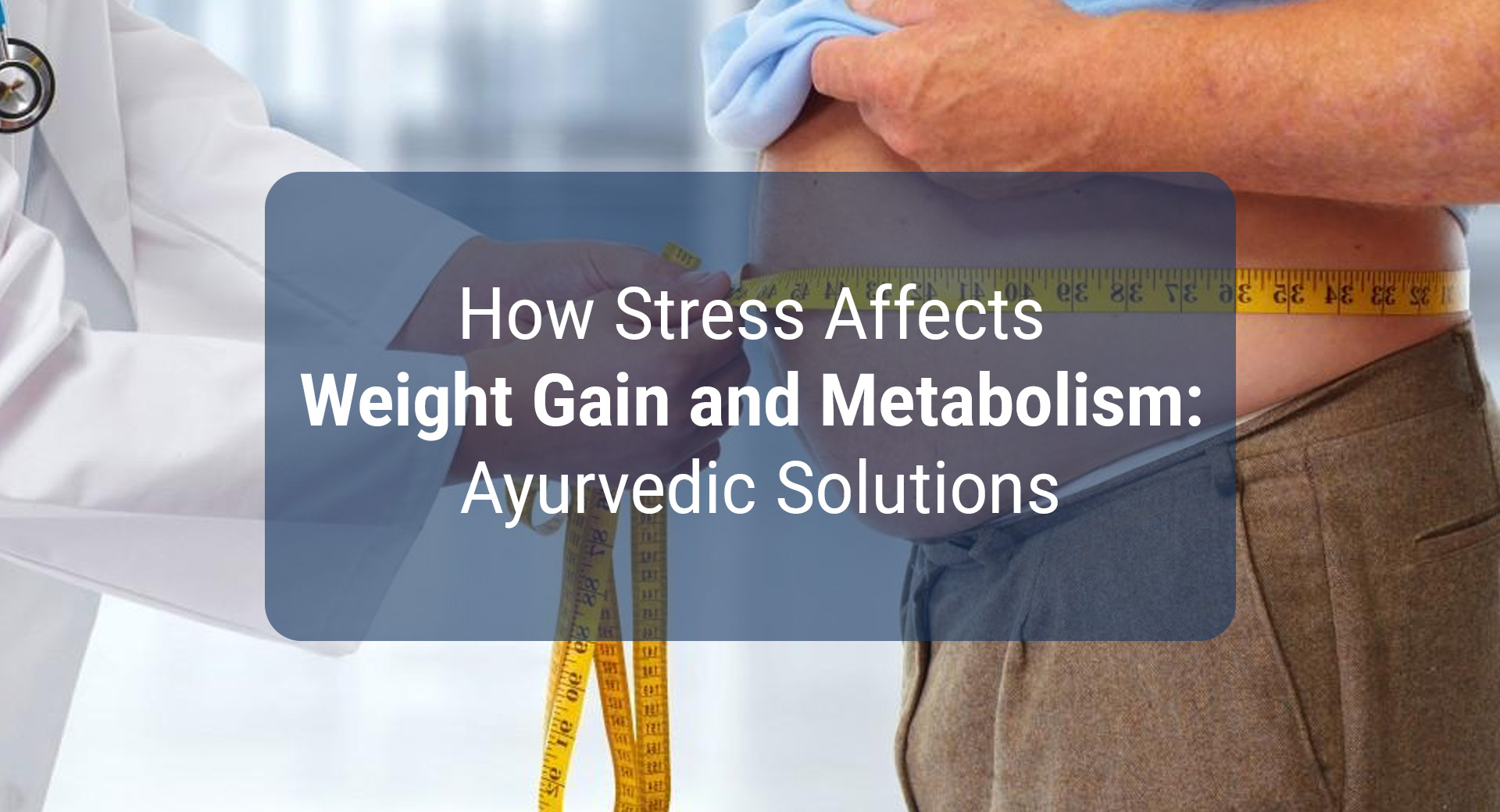
Stress doesn’t just live in your head; it shows up in your body too. Think about those nights when you’re worried or upset. Do you ever really crave a salad then?
Most of the time, you end up reaching for chocolate, fried snacks, or something rich and heavy. It’s not just a habit; it’s a common phenomenon that happens to almost everyone during stress because humans are designed that way.
When you’re under pressure, your body craves sugary, fatty foods because that’s its way of responding to a hormonal trigger. Stress hormones change the way you eat, digest, and even burn calories. And when it becomes a daily companion, it slowly messes with your metabolism and makes weight gain almost unavoidable.
Ayurveda has long recognised this mind–body connection and thus recommends simple rituals, calming practices, and herbs like Ashwagandha to help your body relax, cut down those stress-driven cravings, and bring your metabolism back on track.
How Stress Leads to Weight Gain and Slows Metabolism
You must have heard many dietitians and health coaches say these days – “Even if you do everything right, if you’re not losing weight, there could be a hidden reason… stress.” And stress doesn’t just mean emotional sadness or workload. Stress can come in many forms. If you stay up late watching Netflix, scrolling on your phone, and don’t give your body proper rest, you are putting your system under stress, too.
Your body’s stress hormones, especially cortisol, increase because of all this. There are many things that can raise cortisol:
- Lack of sleep / late nights
- High workload or emotional pressure
- Skipping meals or irregular eating patterns
- Too much caffeine or sugar intake
- Over-exercising without recovery
- Constant exposure to screens and no downtime
- Relationship or financial worries
All these triggers have one direct impact on your adrenal glands (small glands on top of your kidneys), which start releasing more cortisol.
Cortisol: The Stress Hormone
Cortisol is a natural hormone that is essential for your survival. Imagine you’re in a jungle and a wild animal appears – immediately, your body goes into “fight-or-flight” mode. Your heartbeat speeds up, digestion temporarily stops, and energy is sent to your muscles. All this happens because of cortisol. Basically, this hormone slows down all the physiological processes (like your metabolism) that aren’t crucial to surviving an immediate threat and speeds up the ones you need to survive in the moment.
In the short term, this is useful, but when this hormone stays high long-term, it becomes a problem for your metabolism and weight.
How Cortisol Affects Weight Gain
When the level of your cortisol goes up, it sets off a chain reaction. This includes
Boosts Appetite
Cortisol stimulates your fat and carbohydrate metabolism, giving a sudden surge of energy. But the side effect is increased appetite. This means that when you’re stressed, you feel hungrier and crave unhealthy foods.
Cravings for Junk Foods
High cortisol levels trick the brain into thinking the body needs quick fuel. That’s why you naturally crave sugary, salty, and fatty foods. At such times, you’re not craving salad or lentils and rice, but fries, burgers, or chocolate. This “comfort food” pattern becomes a reason for long-term fat gain.
Fat Storage, Especially Belly Fat
Cortisol directly influences fat storage patterns. When cortisol is high, the body stores extra calories in the belly area. That’s why stress belly or abdominal obesity is very common.
Slows Muscle Growth
Chronic stress and high cortisol levels reduce testosterone production. Testosterone isn’t just important for men; it also helps women build muscle mass. When this hormone decreases, muscle mass declines. And when muscles are low, your resting metabolism also slows down, because muscles burn calories efficiently.
Slows Down Metabolism
In fight-or-flight mode, the body pauses some regular functions – like digestion and nutrient absorption. If this state becomes frequent, metabolism becomes permanently sluggish. This means you eat the same amount of food, but burn fewer calories and store more fat.
Blood Sugar Fluctuations
Cortisol cues the sugar cravings. This is because under stress, your body needs a quick energy supply, and sugar is the first thing it reaches out for. In the short term, this is useful, but in the long term, it makes blood sugar levels unstable. When sugar rises, insulin production also rises to help regulate it, and when insulin goes up, the sugar in the blood drops, making you crave more sugary and fatty foods.
Impact on Sleep
High cortisol levels should decrease at night so that the body can rest. But when stress becomes chronic, cortisol stays high even at night. The result is disturbed sleep or insomnia. And when sleep isn’t proper, the next day brings more cravings, and metabolism slows even further.
Connecting the Dots
So when stress is constant, your body is basically stuck in this loop: hunger increases, cravings spike, fat gets stored around your belly, muscles decrease, metabolism slows, blood sugar fluctuates, sleep suffers, and emotional eating kicks in. Even if you’re eating well and exercising, this hidden stress engine keeps your body in weight-gain mode. And not being able to control weight adds even more stress.
Ayurvedic Solutions to Reduce Stress and Support Weight
Managing stress may feel like a tough task, but Ayurveda provides easy and natural strategies to break the cycle of stress and weight gain.
1. Use of Herbs Like Ashwagandha
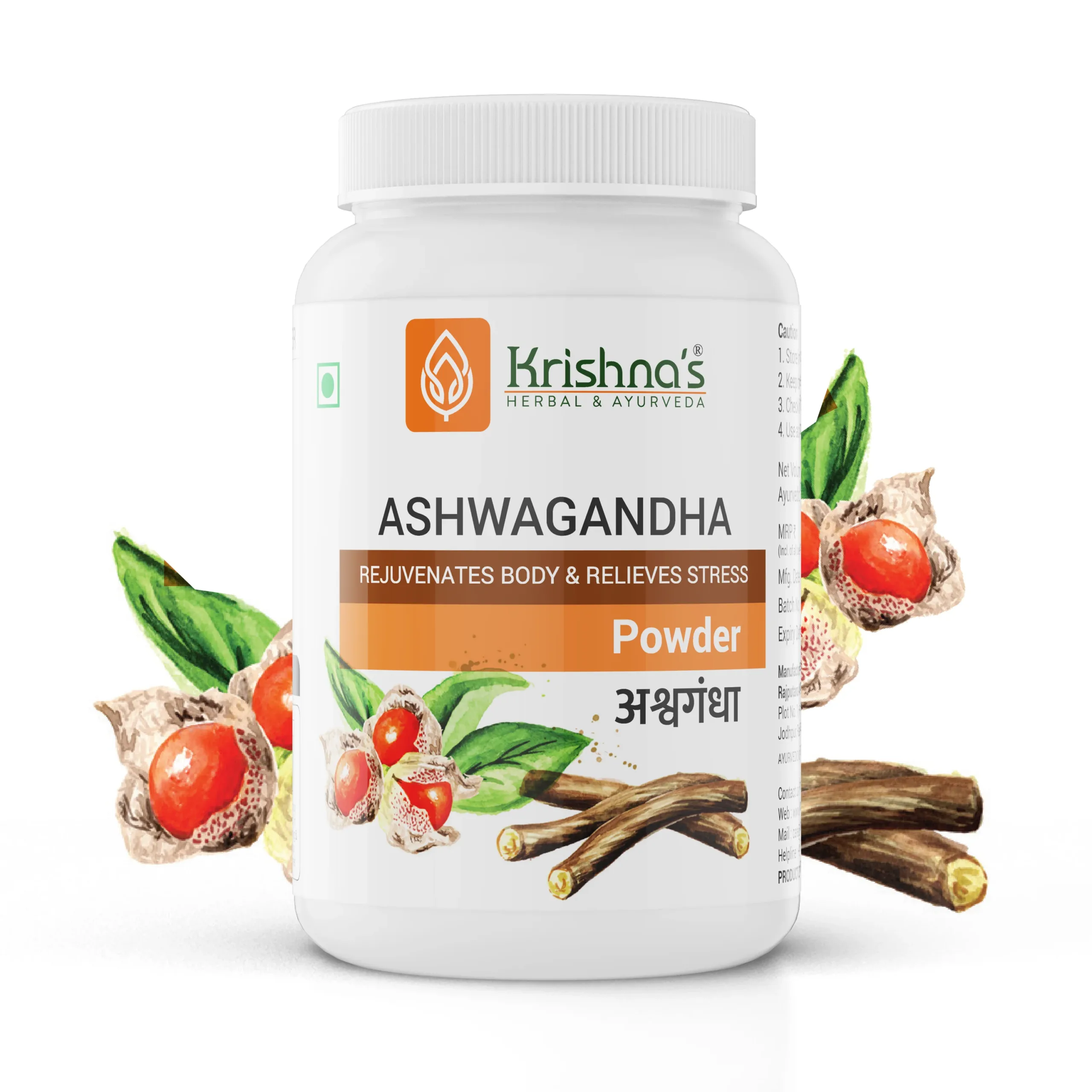
This is a well-known herb for reducing stress and anxiety in humans. A study shows that regular use of Ashwagandha root extract under the guidance of an ayurvedic expert can help with body weight management in adults under chronic stress. The herb relaxes your nervous system and also supports metabolism. Basically, this herb helps naturally control stress-driven cravings and belly fat.
2. Mindful Eating: Pause Before You Eat
During stress, you often eat emotionally. Ayurveda says that “Ahara” is not just for nutrition, but also to balance the mind and body. When you feel a craving, pause a little and ask yourself: “Am I really hungry, or am I eating just because of stress?” If it’s stress, stay away from the fridge, take a short walk, or listen to music. This simple pause protects you from overeating, preventing the excess storage of empty calories. It also signals your body that energy is needed for actual requirements.
3. Daily Movement and Walks
Ayurveda says that regular physical activity balances Vata and reduces stress. Exercise of any kind, like hitting the gym or a short brisk walk, uplifts mood, reduces stress and raises self-esteem. Exercising can help ward off both stress and weight-related issues simultaneously.
4. Breathing and Relaxation Practices
When stress is high, the sympathetic nervous system becomes overactive. Ayurveda recommends Pranayama and deep breathing, like Nadi Shodhana (alternate nostril breathing). Practising this for just 10–15 minutes a day calms the mind, balances cortisol, and automatically reduces sugar cravings. This also supports digestion and metabolism.
5. Sleep and Night Routine
Stress and cortisol directly disrupt sleep. Ayurveda says to make it a habit to sleep by 10–11 pm. You can have warm herbal tea at night (Tulsi, ginger, chamomile), and Ashwagandha milk is also helpful. Proper sleep regulates appetite hormones, improves metabolism, and reduces the chance of stress eating.
6. Small Lifestyle Habits
- Do self-care rituals like daily or alternate-day Abhyanga (warm oil massage). It relaxes your body and mind and balances Vata.
- Practice gratitude or thankful thoughts, which calm the mind and reduce stress-driven cravings.
- Eat meals at the same time to support digestion and metabolism.
Takeaway
When you’re stressed out, adopting healthy behaviours can easily fall by the wayside. But these ayurvedic solutions can help you maintain a schedule and/or routine so you can combat stress without requiring you to change your lifestyle.
Recent Articles






Related products

YOU MIGHT ALSO LIKE