
How to Boost Metabolism Naturally if You Have Hypothyroidism
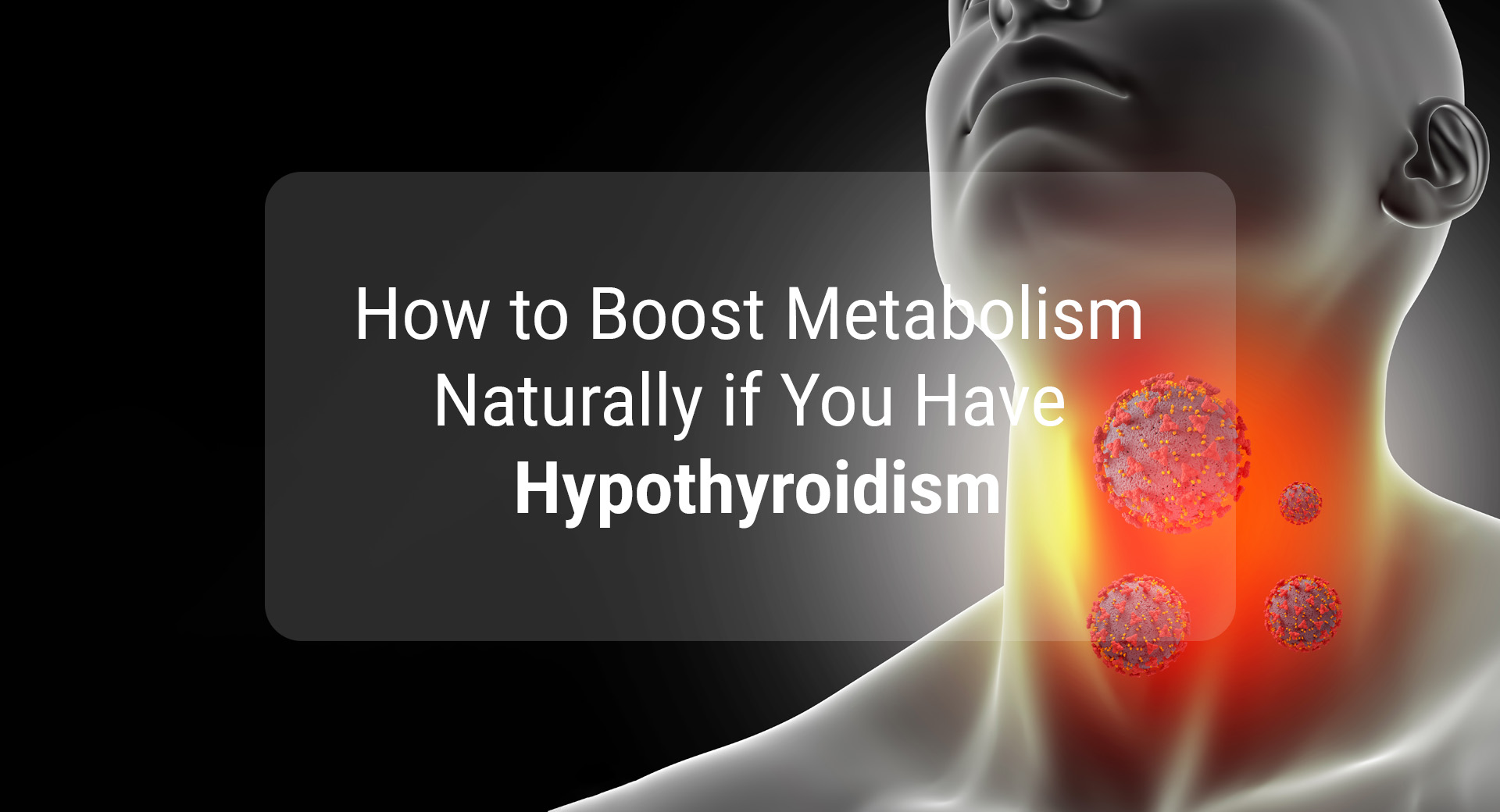
Almost half of the people who have hypothyroidism are overweight. And no, it’s not just because of eating habits, it’s because their metabolism is slow.
The thyroid gland, which is basically the main control centre for metabolism, becomes underactive and doesn’t make and release enough thyroid hormones that regulate the body’s energy use and metabolic rate. A slow metabolism not only causes weight gain and difficulty losing weight, but it also leads to fatigue and weakness.
But with a balanced diet, good sleep hygiene, regular exercise, and herbal support like Krishna’s Thyro Balance Juice, you can speed metabolism with hypothyroidism.
How an Underactive Thyroid Affects Your Metabolism
To understand why a person with hypothyroidism has a slow metabolism, you first need to go back to the basics.
Understanding the thyroid gland
The thyroid gland is a small gland that is present in your neck. It may be a small gland, but it has a huge role in producing and releasing hormones that help control your:
- Brain development
- Mental activity
- Metabolism
- Body temperature
- Heart rate
- Breathing
- Digestion
- Skin and bone maintenance
- Fertility
In short, every cell in your body depends on the function of your thyroid gland.
The two main hormones that the thyroid gland produces are: thyroxine (T4) and triiodothyronine (T3).
- T4 is the inactive form, kind of like stored fuel.
- T3 is the active form, the one that actually drives your metabolism.
These hormones enter your bloodstream and reach almost every cell in your body, telling them how fast or slow to work.
In a healthy thyroid, this process is perfectly balanced. Your body temperature stays normal, your heart rate is steady, digestion works smoothly, and you burn calories at a comfortable pace, even when you’re resting. In short, your metabolism runs efficiently.
But when the thyroid becomes underactive (hypothyroidism), this whole system begins to slow down. The gland stops making and releasing enough T4 and T3 hormones into your bloodstream. Because of this, your cells don’t get the right signals to burn energy, and your metabolism slows down.
What is metabolism
Metabolism refers to the chemical process by which your body converts food into the energy you need to think, breathe, digest, regulate your body temperature and perform other vital functions necessary to sustain life.
So, when the master gland of metabolism, your thyroid, slows down, several other systems are affected too. And other than weight gain, you may experience symptoms like brain fog (forgetfulness or difficulty concentrating), sleepiness, muscle weakness, constipation, dry, coarse skin and hair, fatigue, sensitivity to cold and menstrual changes.
How to Boost Metabolism Naturally if You Have Hypothyroidism
1. Take Your Prescribed Thyroid Medication on Time
No matter how natural your lifestyle is, your body first needs the thyroid hormones it’s no longer making. That’s what your doctor-prescribed medication does. It replaces the missing T4 (and sometimes T3) so your cells can get their energy back.
It’s important to take it every morning, on an empty stomach, and wait at least 30–45 minutes before coffee or breakfast so it gets absorbed properly. When your thyroid hormones return to their normal range, your metabolism reawakens, your digestion improves, and that constant fatigue begins to lift.
2. Eat Foods That Support Thyroid Function
Food can’t replace thyroid medication, but it can absolutely support how well your thyroid and your metabolism work.
Your thyroid gland relies on certain key nutrients like iodine, selenium, zinc and iron to make and activate hormones. Good sources are iodised salt, dairy products, nuts and seeds, legumes, lentils, etc.
If your diet lacks these, even medication may not work as efficiently. Also, go easy on goitrogenic foods like raw cabbage, broccoli, cauliflower, and soy, especially if you’re low on iodine, as they can temporarily interfere with thyroid hormone production. Lightly cooking them usually neutralises that effect.
Also, don’t skip protein. Protein helps build lean muscle, which is your body’s main calorie-burning tissue. Without enough protein, metabolism stays slow.
3. Keep Your Gut Healthy
Your gut is not just meant for digestion. Around 20% of thyroid hormone conversion happens in your intestines. If your gut bacteria are imbalanced or inflamed, your body can’t properly convert T4 to T3, meaning your metabolism still drags even if your bloodwork looks okay.
So, keep your gut calm and happy. Add probiotics (curd, kefir), fibre-rich veggies, fruits, and whole grains. Avoid excess sugar and processed foods; they feed the wrong kind of bacteria and slow everything down.
A balanced gut means better hormone absorption and better metabolism.
4. Increase Your Activity
When your energy is already low, exercising may feel like a chore. But getting your body moving might aid your metabolism to speed up. You don’t need to overexert yourself.
Start with simple walks. Add a bit of muscle-building and weight-bearing activities two or three times a week. More muscle mass burns calories even when you’re sitting still because muscle tissue is metabolically active and it constantly requires energy to maintain itself.
Gentle yoga or stretching also helps because it lowers stress hormones and improves blood flow.
Also Read: Exercise And Thyroid Health: What’s The Best Routine For You?
5. Maintain Good Sleep Hygiene
Your thyroid and metabolism recharge at night. But when you sleep late or poorly, your body doesn’t repair properly. The satiety hormone gets out of rhythm, and your hunger and energy signals go haywire. This can increase food intake and weight gain. So, make sure you get at least 7-8 hours of sleep every night.
6. Take Herbal Support to Naturally Improve Thyroid Function and Metabolism
Medicines replace those missing hormones, but your body also needs certain nutrients to use them properly, which are deficient in many people with hypothyroidism.
Ayurvedic medicines, for thyroid problems like Krishna’s Thyro Balance Juice, can help fill that nutritional gap. It contains herbs and plant-based ingredients that are rich sources of vitamins, minerals and fibre, all of which promote thyroid health and metabolism.
Also Read: Managing Hypothyroidism Naturally: Ayurvedic Remedies and Practices
Takeaway
A good metabolism is important for everyone, but when you have hypothyroidism, it becomes even more crucial. Since your thyroid controls how your body uses energy, bringing it back to balance takes time. You can’t expect results in a few days. It’s a slow process, and your body needs consistency. Keep taking your prescribed medicines, eat foods that support your thyroid, stay active, and if you’re using herbal support like Krishna’s Thyro Balance Juice, take it regularly.
Don’t lose patience if you don’t see changes right away. Over time, with steady habits and care, your metabolism will start to pick up again, and you’ll begin to feel that lost energy returning.
Recent Articles






Related products


YOU MIGHT ALSO LIKE